Indonesian · English · B1–B2
Intermediate Indonesian short stories, side by side with English (B1–B2)
Real literature at a reachable level: O. Henry, Saki, Oscar Wilde, Chekhov and Maupassant in Indonesian, with the English original beside every paragraph.
192 intermediate stories in Indonesian, 189 of them free
Each one opens in your browser with no account, the Indonesian and the English side by side, paragraph by paragraph, shortest first. Every free story is also a free Indonesian–English ebook for Kindle, Kobo or any e-reader: downloading needs a free account, no payment (which file to pick).
Besides the classics, this level has stories from Cerita Sederhana, original Indonesian stories written for the library.
Besides the classics, this level has stories from Filsuf Kuno, original Indonesian stories written for the library.
Besides the classics, this level has stories from Surat untuk Santo Nikolas, original Indonesian stories written for the library.
Besides the classics, this level has stories from Toko Roti Malam, original Indonesian stories written for the library.
Besides the classics, this level has stories from Pasar di Alun-alun, original Indonesian stories written for the library.
Open the intermediate Indonesian–English stories in the library, where you can search them and switch to another level or pair.
To listen as you read, see the Indonesian stories with audio.
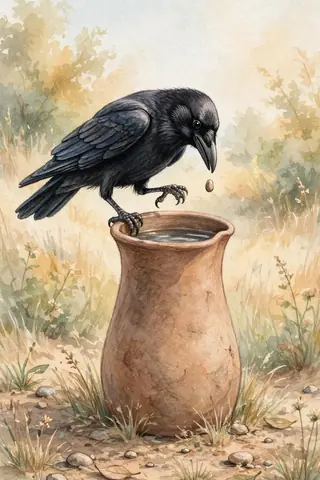 B1
Burung Gagak dan Kendi
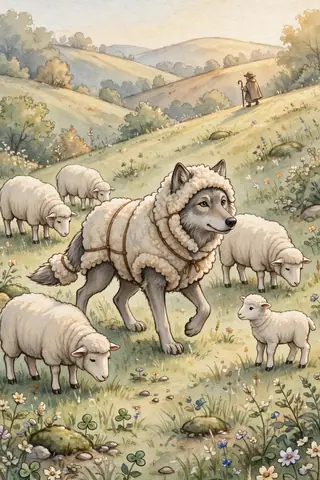 B1
Serigala Berbulu Domba
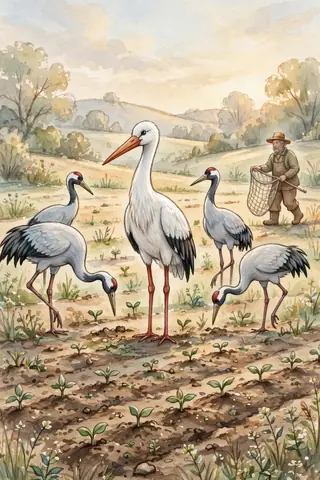 B1
Petani dan Burung Bangau
 B1
Anjing dan Bayangannya
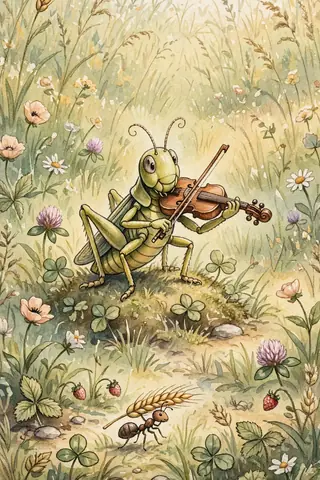 B1
Semut dan Belalang
 B1
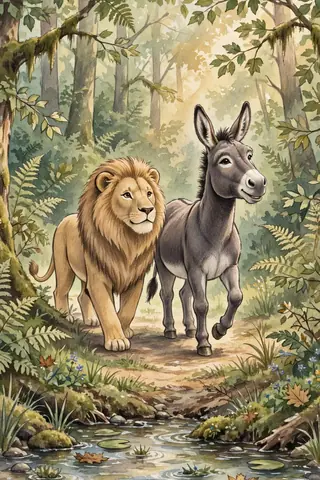
Singa dan Keledai
 B1
Rubah dan Buah Anggur
 B1
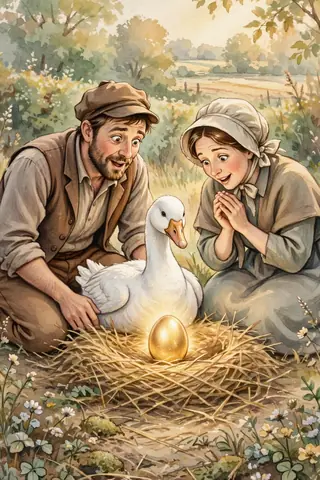
Angsa dan Telur Emas
 B1
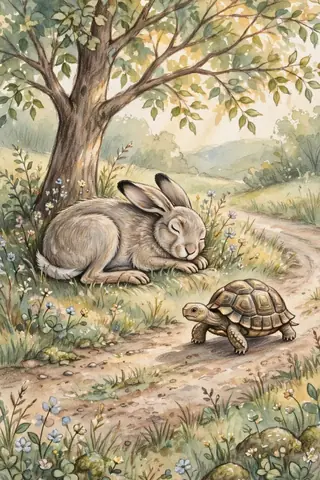
Kura-Kura dan Kelinci
 B1
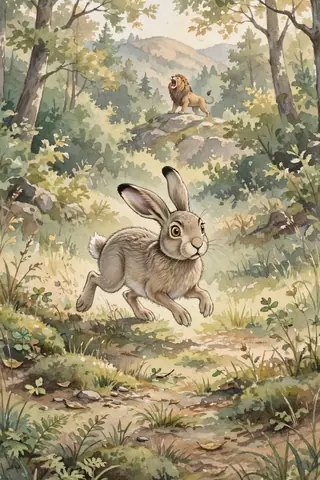
Kelinci dan Telinganya
 B1
Serigala dan Burung Bangau
 B1
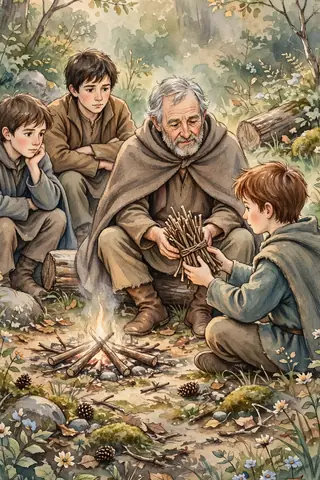
Seikat Ranting
 B1
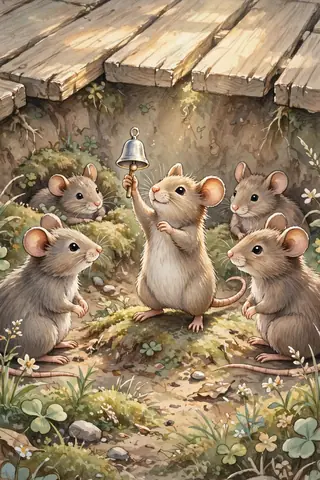
Memasang Genta pada Kucing
 B1
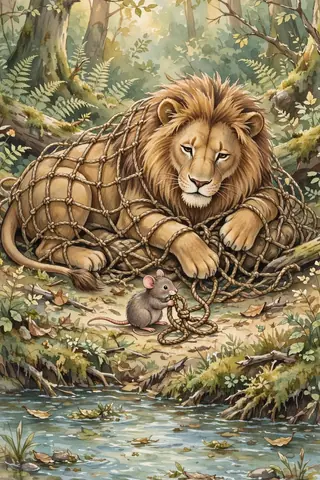
Singa dan Tikus
 B1
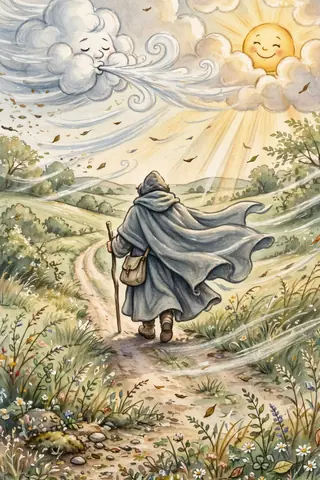
Angin Utara dan Matahari
 B1
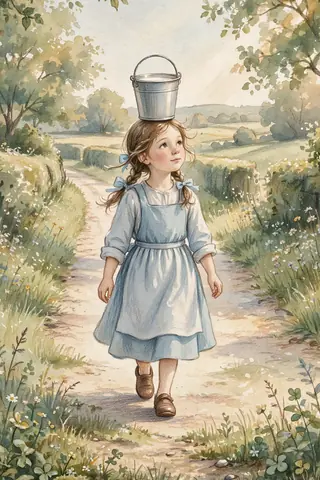
Gadis Pemerah Susu dan Embernya
 B1
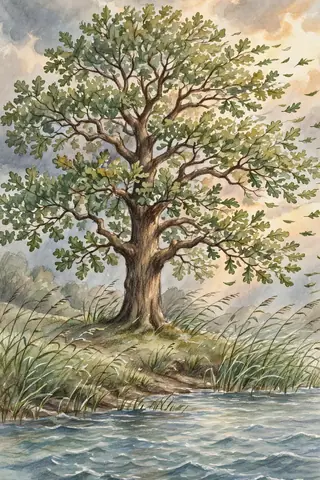
Pohon Ek dan Alang-Alang
 B1
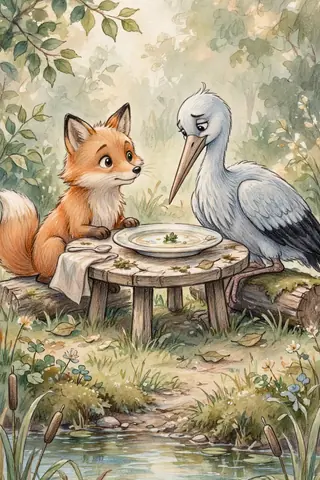
Rubah dan Burung Bangau
 B1
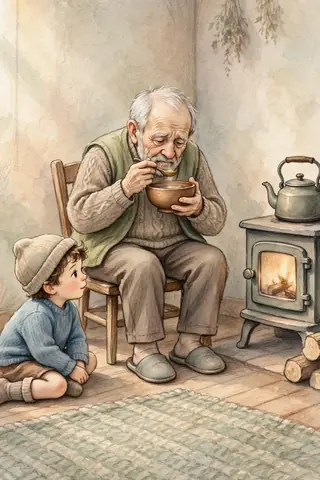
Kakek Tua dan Cucunya
 B1
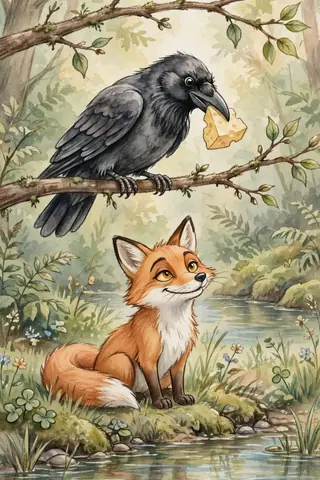
Rubah dan Burung Gagak
 B1
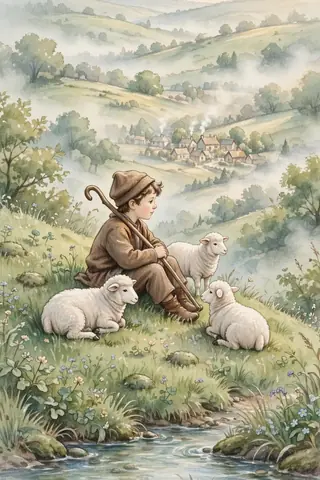
Anak Gembala yang Berteriak Serigala
 B1
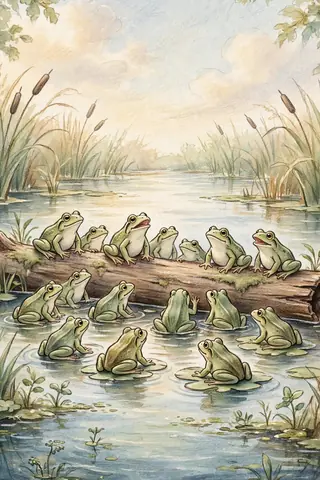
Katak-Katak yang Menginginkan Seorang Raja
 B1
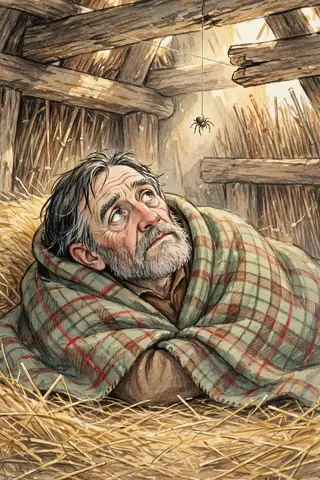
Diogenes si Orang Bijak
 B1
Bruce dan sang Laba-Laba
 B1
Amat Kecil
 B1
Tikus Kota dan Tikus Desa
 B1
Tiga Orang dari Gotham
 B1
Putri dan Sebutir Kacang Polong
 B1
Raja Canute di Tepi Laut
 B1
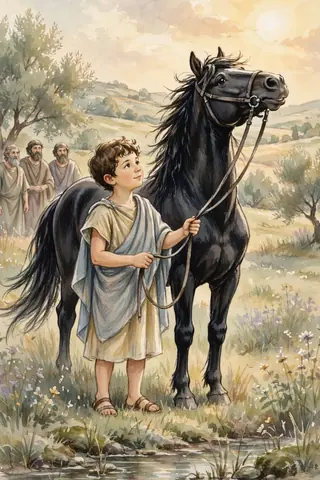
Alexander dan Bucephalus
 B1
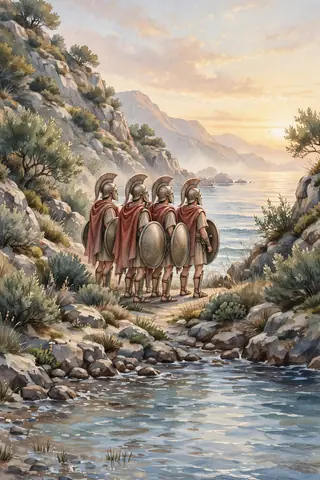
Tiga Ratus Prajurit Pemberani
 B1
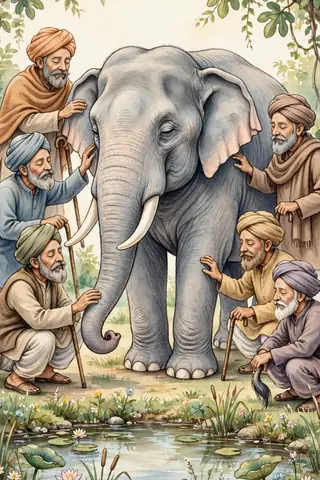
Orang-Orang Buta dan Gajah
 B1
Pedang Damokles
 B1
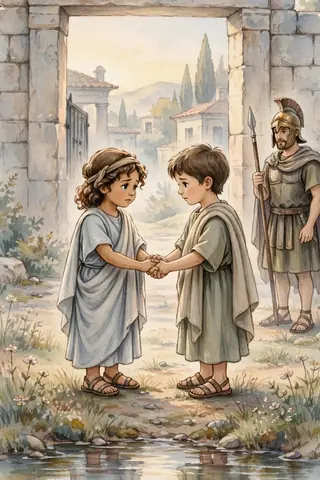
Damon dan Pythias
 B1
Kisah William Tell
 B1
Raja Alfred dan Kue-Kue
 B1
Kisah Tanpa Akhir
 B1
Androklus dan Singa
 B1
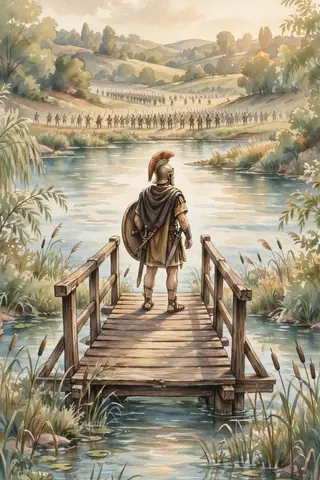
Horatius di Jembatan
 B1
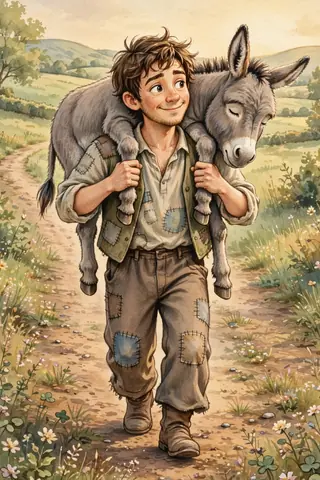
Jack si Pemalas
 B1
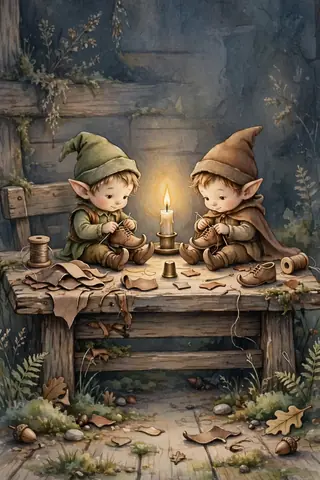
Kurcaci dan Tukang Sepatu
 B1
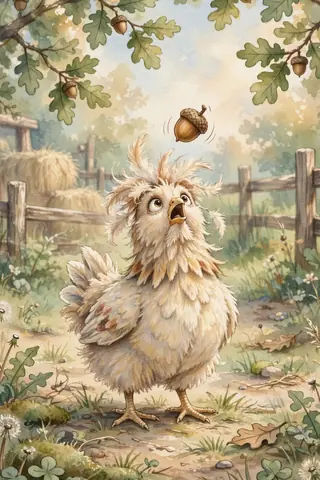
Henny-Penny
 B1
Kapal Putih
 B2
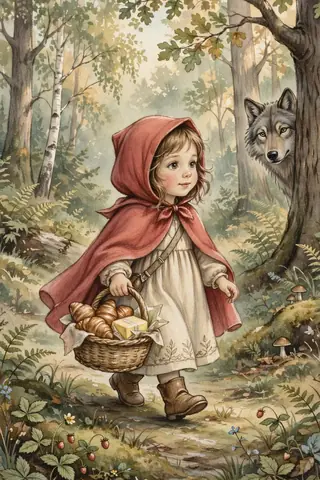
Si Kerudung Merah
 B1
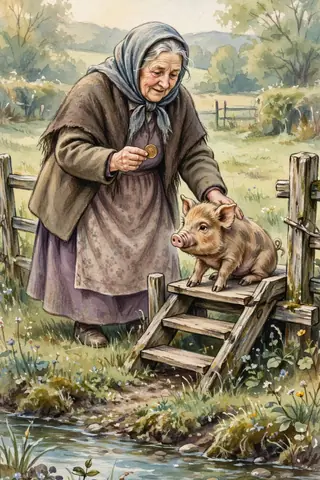
Wanita Tua dan Babinya
 B1
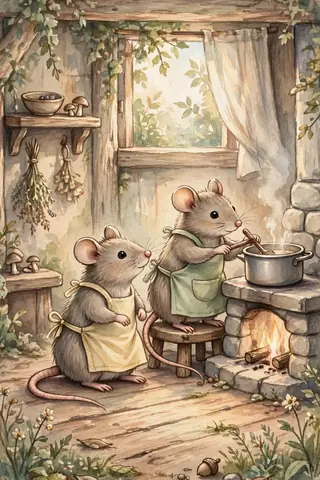
Titty Mouse dan Tatty Mouse
 B1
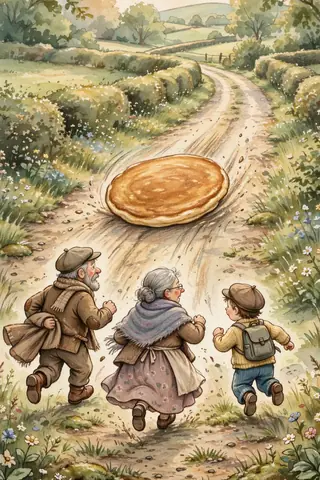
Johnny-Cake
 B1
Hati dan Tangan
 B1
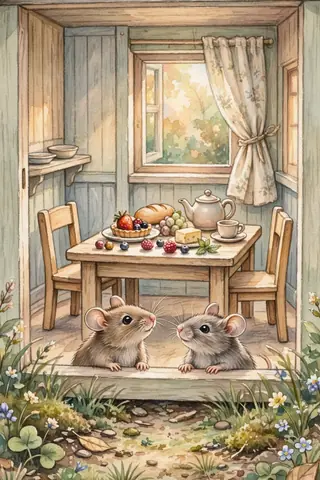
Kisah Dua Tikus Nakal
 B1
Kisah Tiga Babi Kecil
 B1
Kisah Peter Kelinci
 B2
Kisah Satu Jam
 B1
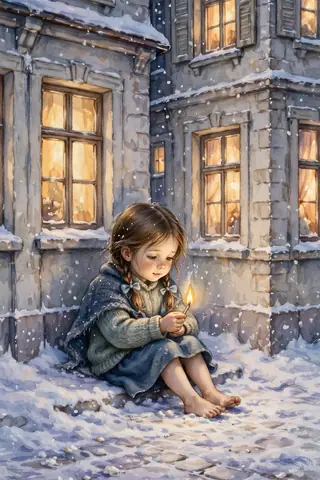
Gadis Korek Api
 B1
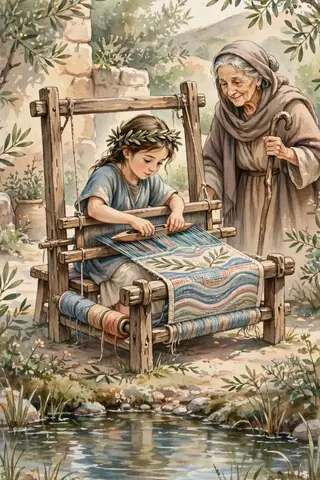
Penenun yang Luar Biasa
 B1
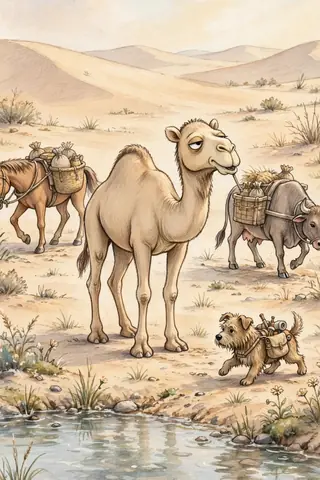
Bagaimana Unta Mendapatkan Punuknya
 B1
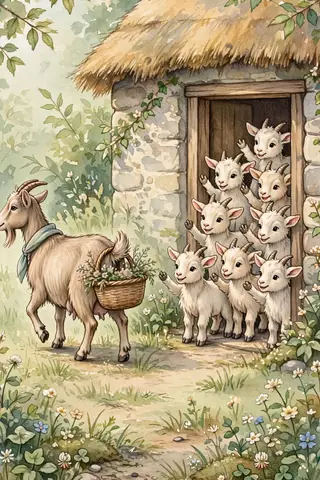
Serigala dan Tujuh Anak Kambing
 B1
Bagaimana Paus Mendapatkan Tenggorokannya
 B1
Banjir Besar
 B1
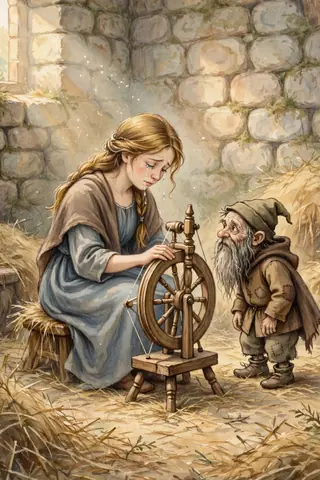
Rumpelstiltskin
 B1
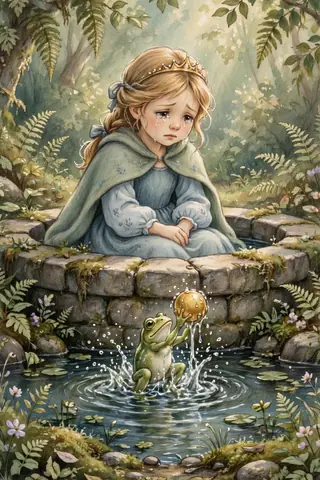
Pangeran Katak
 B1
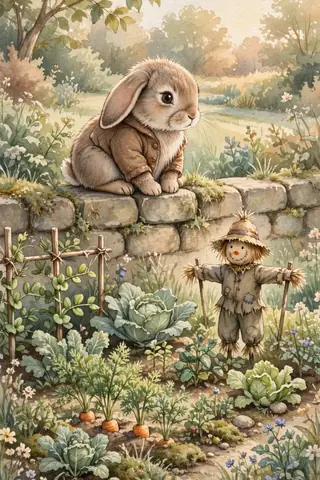
Kisah Benjamin Bunny
 B1
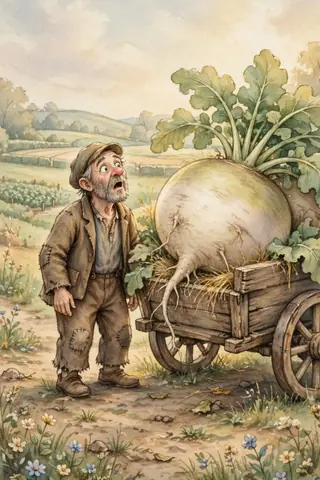
Lobak
 B1
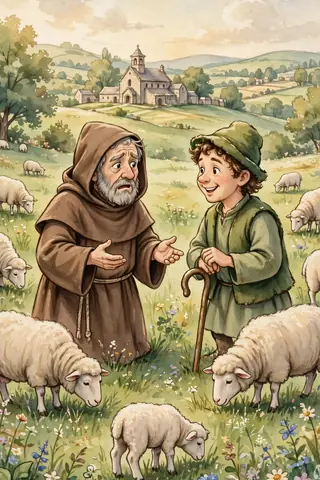
Raja John dan Kepala Biara
 B1
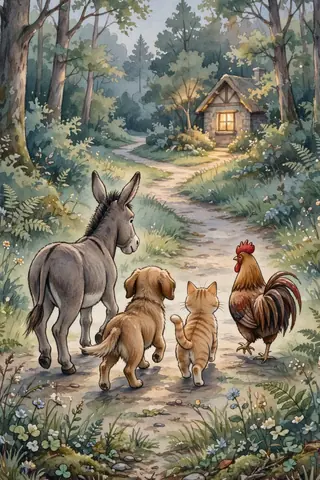
Para Pemusik Keliling
 B1
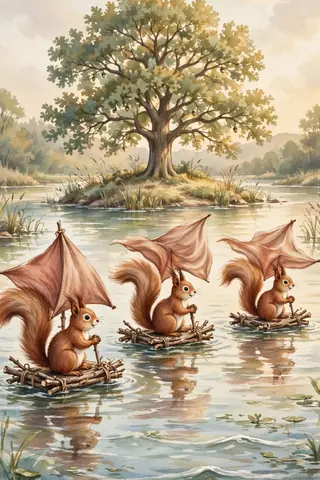
Kisah Nutkin si Tupai
 B1
Lonceng Atri
 B1
Ibu Holle
 B2
Jendela yang Terbuka
 B1
Tiga Orang Bodoh
 B1
Kisah Tiga Beruang
 B1
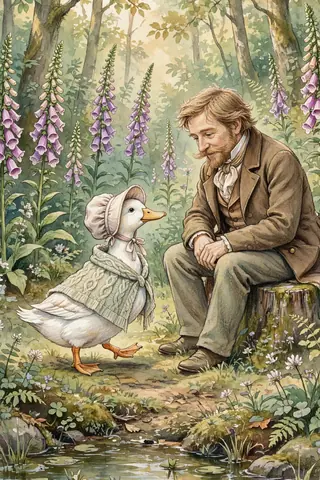
Kisah Jemima Bebek-Lumpur
 B1
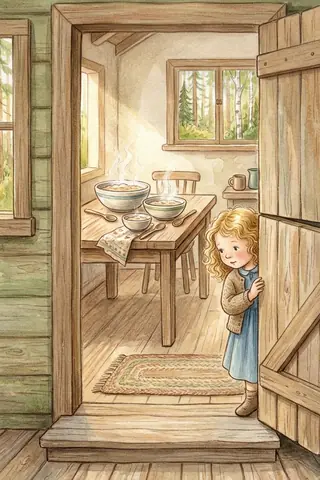
Goldilocks dan Tiga Beruang
 B1
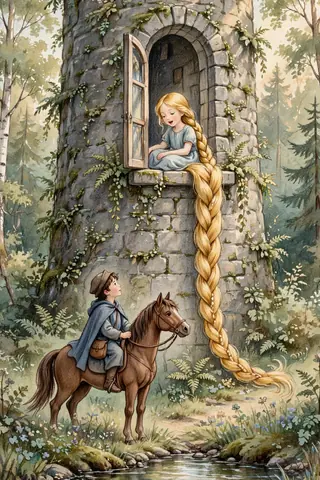
Rapunzel
 B1
Si Kerudung Merah
 B1
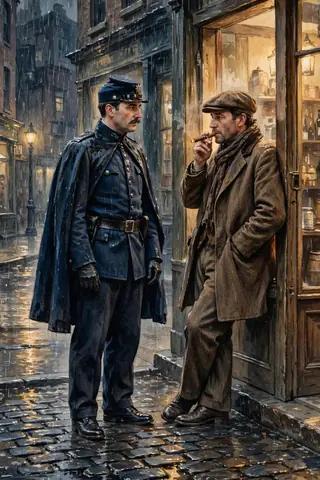
Setelah Dua Puluh Tahun
 24B1
Tiga Ratus Roti Gulung
 B1
Mawar Berduri
 29B1
Jendela Itu
 27B1
Bukan untukku
 B2
Kisah Romantis Seorang Pialang yang Sibuk
 B1
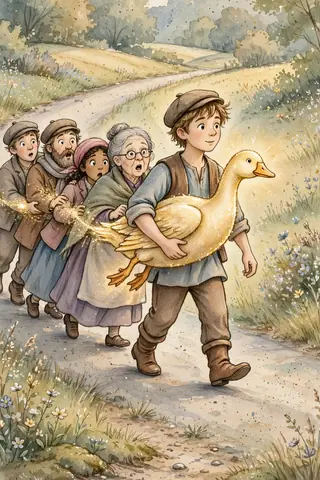
Angsa Emas
 28B1
Menggambar Perahu
 B1
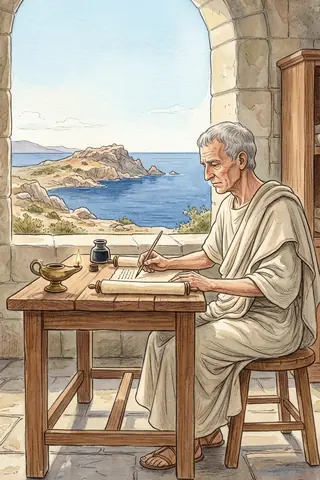
Seneca sang Tokoh Romawi
 B1
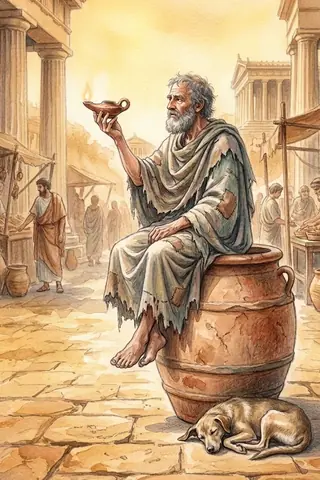
Diogenes dari Sinope
 B1
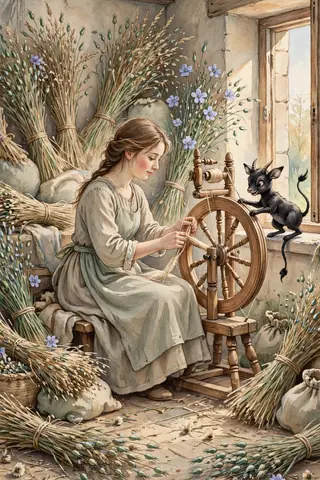
Tom Tit Tot
 30B1
Dia Tahu
 B1
Epikuros dari Samos
 B1
Peniup Seruling dari Hamelin
 B1
Ban di Bawah Pohon Asam
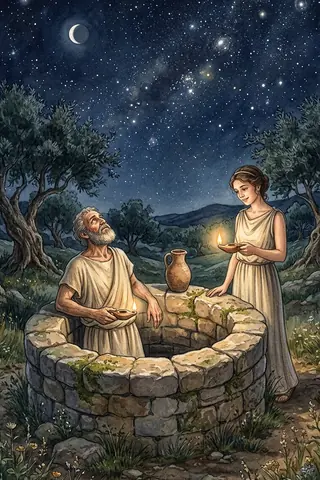 B1
Thales dari Miletos
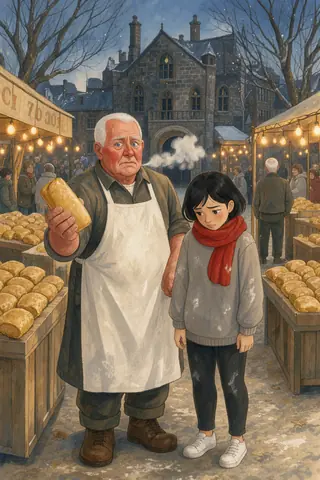 25B1
Pekan Raya Musim Dingin
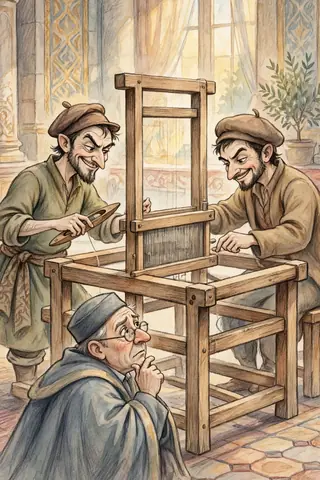 B1
Baju Baru Kaisar
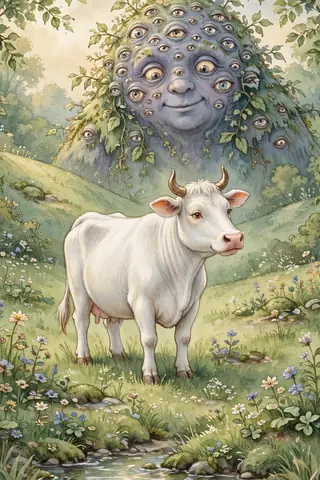 B1
Kisah Io
 B1
Herakleitos dari Efesus
 B1
Epiktetos sang Orang Merdeka
 22B1
Kunci-Kunci Itu
 10B1
Alasan untuk Tinggal
 26B1
Sebuah Tawaran
 21B1
Seorang Teman Bernama Mick
 B1
Tiga Pertanyaan
 B1
Marcus Aurelius
 B1
Sokrates dari Athena
 36B2
Cat Merah
 B1
Raksasa yang Egois
 B1
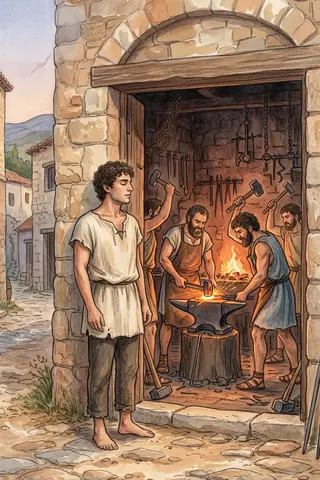
Pythagoras dari Samos
 B1
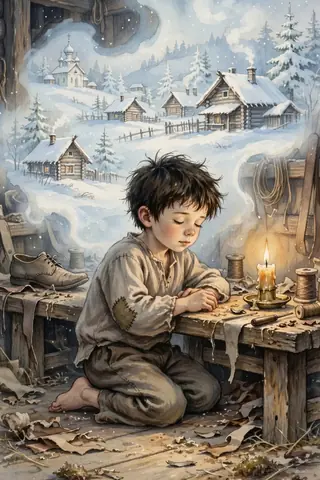
Vanka
 40B2
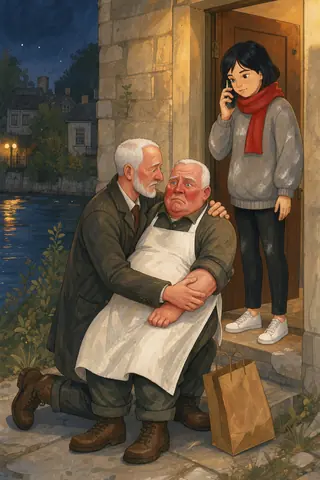
Undakan Itu
 B1
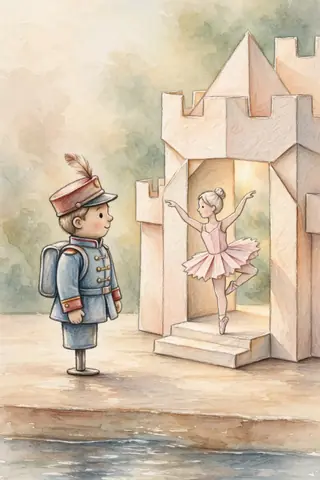
Prajurit Timah yang Teguh
 B1
Plato dari Athena
 39B2
Malam Terakhir
 37B2
Dua Ratus Sepuluh Ribu
 4B1
Si Tukang Pos
 31B2
Di Atas Penatu
 33B2
Berkemas
 35B2
Pukul Tiga Pagi
 B2
Kucing Bersepatu Bot
 23B1
Di Undakan
 38B2
Bagian Priya
 2B1
Ruang Sakristi
 32B2
Nomor Tiga
 8B1
Pergi Saja, Kalau Begitu
 6B1
Apartemen di Atas Apotek
 B1
Kisah Tom Jempol
 3B1
Dua Tangan
 B1
Empat Nada pada Pukul Setengah Sebelas
 9B1
Kolom Tanpa Nama
 B2
Sredni Vashtar
 B2
Kisah Anak Laki-Laki yang Baik
 B1
Nelayan dan Istrinya
 5B1
Lima Puluh Bungkus Kertas
 B2
Sang Pendongeng
 34B2
Apa yang Sebenarnya Terjadi
 7B1
Meja Dapur
 B1
Pengrajin yang Luar Biasa
 B2
Miss Brill
 B2
Hadiah dari Orang Majus
 1B1
Satu Koper
 B1
Kepala Kantor Pos
 B2
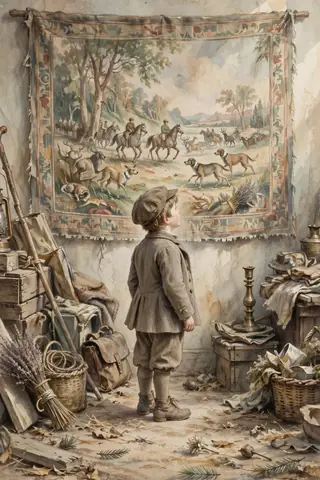
Gudang Penyimpanan
 8B2
Salju Besar
 10B2
Kunci-Kunci
 B2
Bayi Désirée
 B2
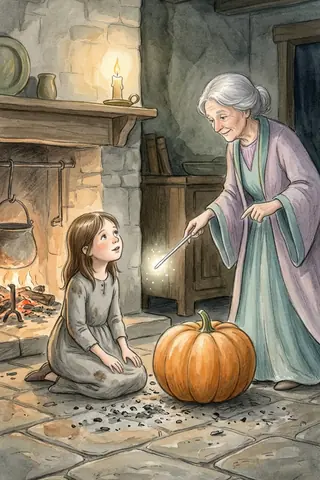
Cinderella, atau Sepatu Kaca Kecil
 B2
Para Penyusup
 B1
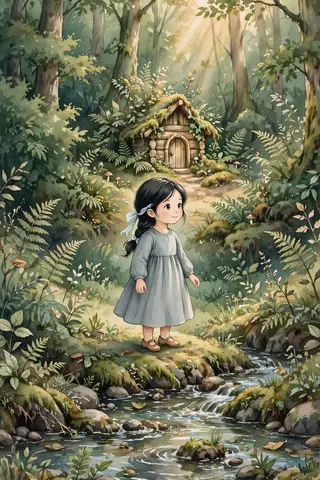
Snowdrop
 B1
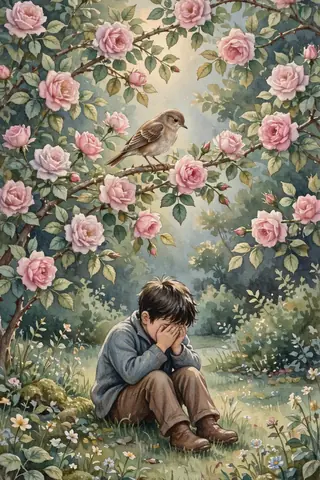
Burung Bulbul dan Bunga Mawar
 5B2
Untuk W.
 B1
Bukan untuk Jonas
 4B2
Lelaki di Dekat Api
 B1
Pesan dari Hari Esok
 B1
Kamar 13
 2B2
Aturan-aturan itu
 7B2
Sisi Utara
 6B2
Syarat
 B1
Hans yang Beruntung
 B1
Belum Sekarang
 3B2
Lampu Kerja
 B1
Jack dan Pohon Kacang
 1B2
Tawaran itu
 B1
Kisah Prometheus
 B2
Polisi dan Lagu Pujian
 B2
Daun Terakhir
 B1
Ashputtel
 B1
Kesabaran Pasang Surut
 9B2
Langkah Kedua
 B2
Lampu Sein Kanan
 B1
Anak Gajah
 B1
Cadmus dan Europa
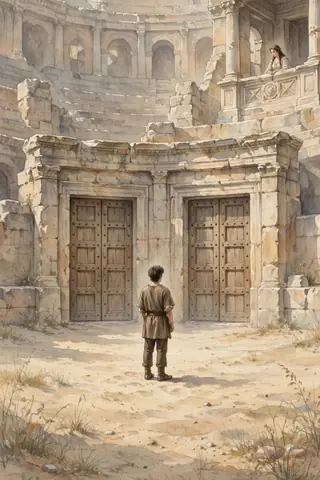 B2
Sang Putri, atau sang Harimau?
 B1
Hansel dan Gretel
 B2
Selasa Pukul Sepuluh
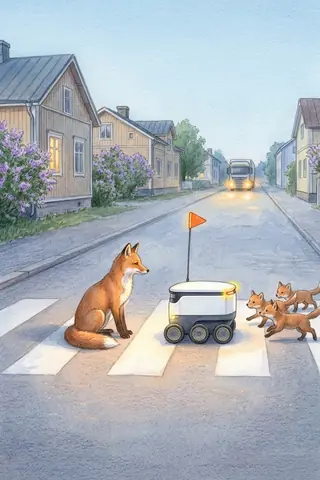 B2
Lampu Lalu Lintas Kalamaja
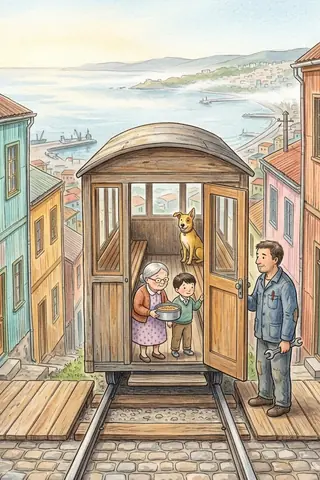 B2
Rem San Rafael
 B2
Taruhan
 B2
Sebuah Pemulihan yang Didapatkan Kembali
 B2
Kalung Itu
 B1
Cabuliwallah
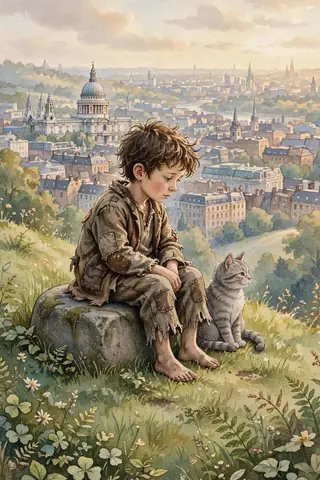 B1
Whittington dan Kucingnya
 B1
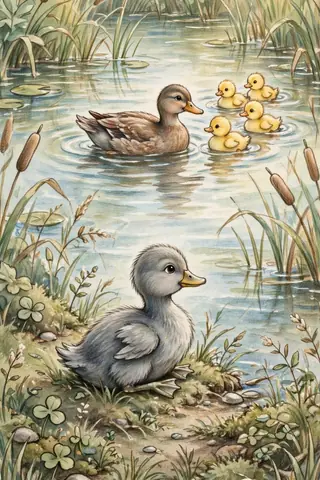
Pangeran Bahagia
 B1
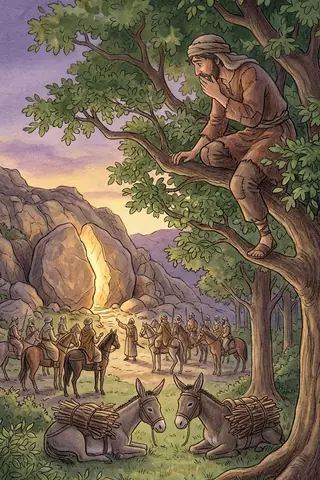
Itik Buruk Rupa
 B2
Ali Baba dan Empat Puluh Penyamun
 B1
Kelinci Beludru
 B1
Kucing yang Berjalan Sendiri
 B2
The Tempest (Kisah-Kisah dari Shakespeare)
 B2
Cakar Kera
 B1
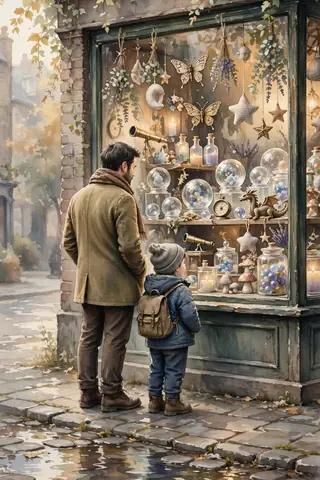
Toko Sulap
 B1
Sahabat yang Setia
 B1
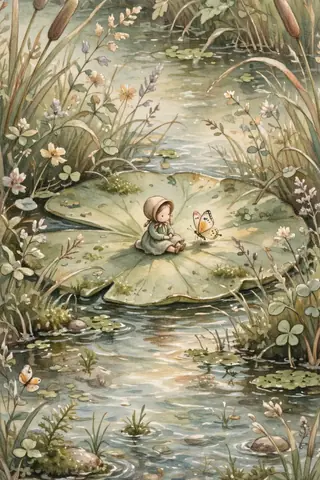
Thumbelina
 B2
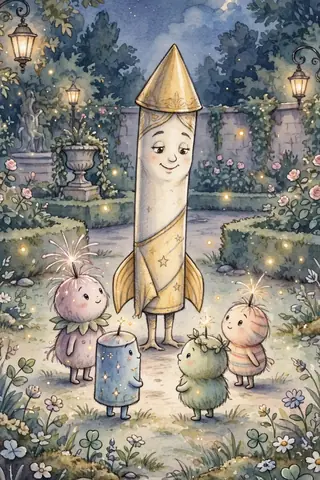
Roket Luar Biasa
 B2
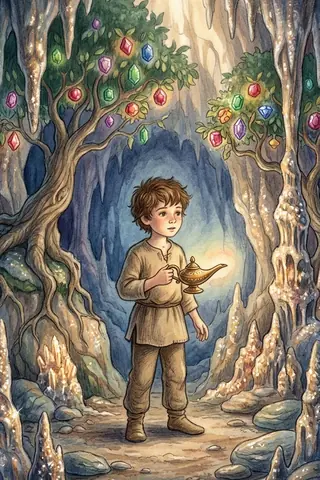
Aladin dan Lampu Ajaib
 B2
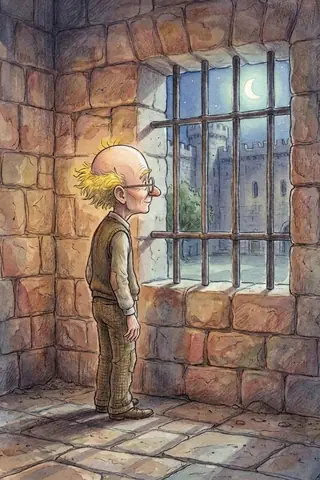
Masalah Sel 13
 B2
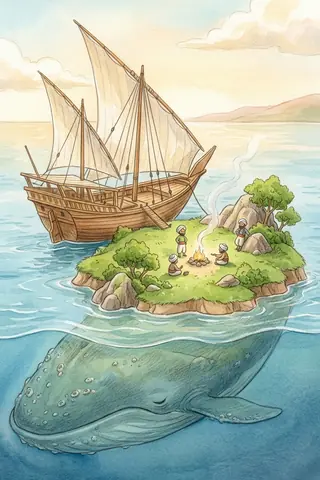
Sindbad sang Pelaut
What intermediate Indonesian stories are like
Intermediate stories are where reading gets rewarding. They are written for adults, with twists and irony (The Gift of the Magi, The Necklace, The Open Window), but short enough to finish in twenty minutes to half an hour.
The vocabulary is wider and the sentences longer than in a fable, and dialogue brings in everyday phrases that textbooks leave out. With the English next to each paragraph, none of that has to stop you.
How to read Indonesian at B1–B2
Read in Indonesian, check in English
At B1–B2 you can usually follow the Indonesian on its own. Keep your eyes on it and look across only when a sentence doesn’t land, rather than reading both sides line by line.
Let the plot pull you
These stories were written to be enjoyed. If you want to know how it ends, you will read faster and remember more, so pick the one whose first page grabs you.
Notice the tenses
Stories are told in the past, and the Indonesian past tenses carry meaning the English sometimes flattens. Comparing the two sides is the quickest way to feel the difference.
More on the method in how to read a parallel text.