Chinese · English · B1–B2
Intermediate Chinese short stories, side by side with English (B1–B2)
Real literature at a reachable level: O. Henry, Saki, Oscar Wilde, Chekhov and Maupassant in Chinese, with the English original beside every paragraph.
192 intermediate stories in Chinese, 189 of them free
Each one opens in your browser with no account, the Chinese and the English side by side, paragraph by paragraph, shortest first. Every free story is also a free Chinese–English ebook for Kindle, Kobo or any e-reader: downloading needs a free account, no payment (which file to pick).
Besides the classics, this level has stories from 简单故事, original Chinese stories written for the library.
Besides the classics, this level has stories from 古代哲学家, original Chinese stories written for the library.
Besides the classics, this level has stories from 致圣尼古拉的信, original Chinese stories written for the library.
Besides the classics, this level has stories from 夜间面包房, original Chinese stories written for the library.
Besides the classics, this level has stories from 广场上的集市, original Chinese stories written for the library.
Open the intermediate Chinese–English stories in the library, where you can search them and switch to another level or pair.
To listen as you read, see the Chinese stories with audio.
 B1
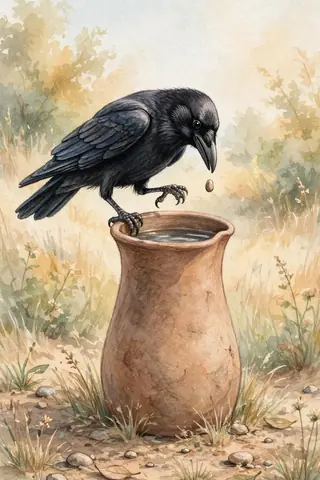
乌鸦和水罐
 B1
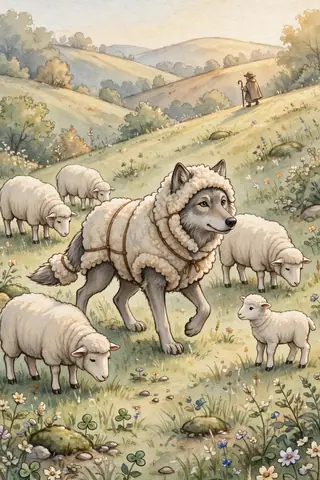
披着羊皮的狼
 B1
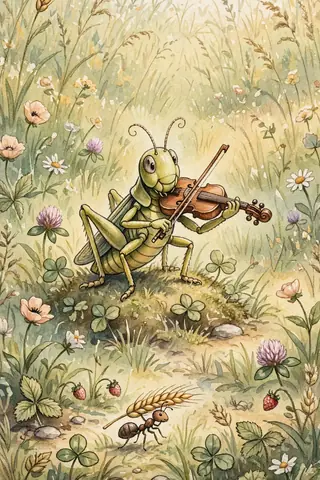
蚂蚁与蚱蜢
 B1
狗和它的倒影
 B1
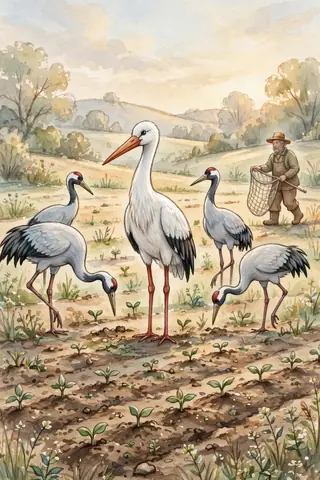
农夫和鹳
 B1
鹅与金蛋
 B1
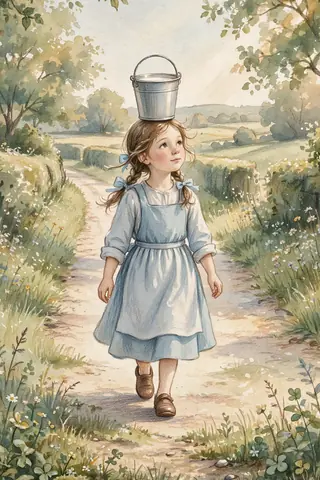
挤奶姑娘和她的奶桶
 B1
橡树与芦苇
 B1
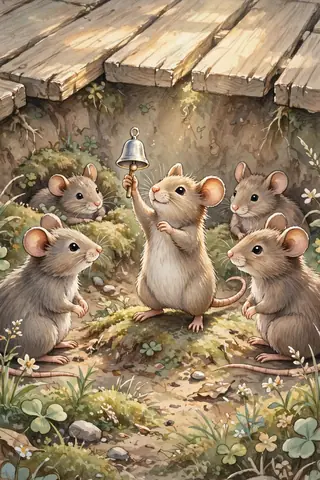
给猫挂铃铛
 B1
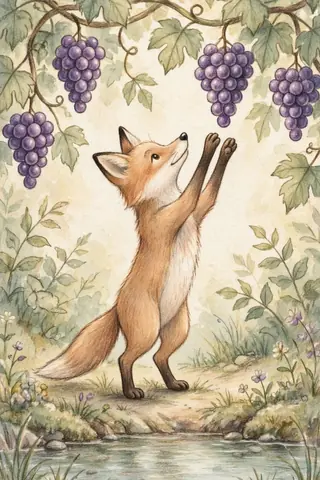
狐狸和葡萄
 B1
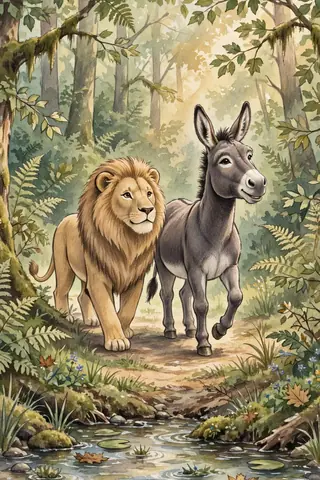
狮子和驴
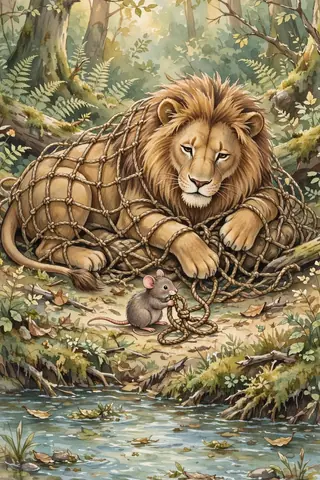 B1
狮子与老鼠
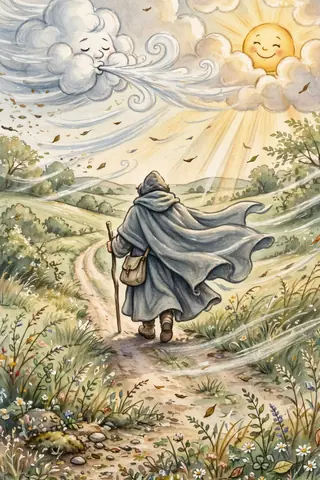 B1
北风与太阳
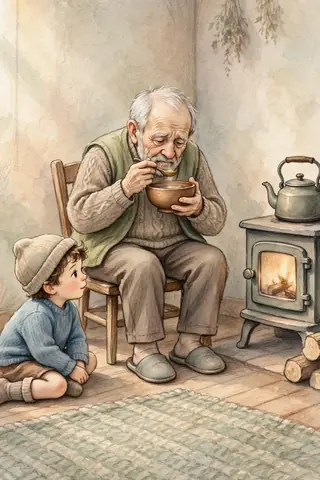 B1
老人和他的孙子
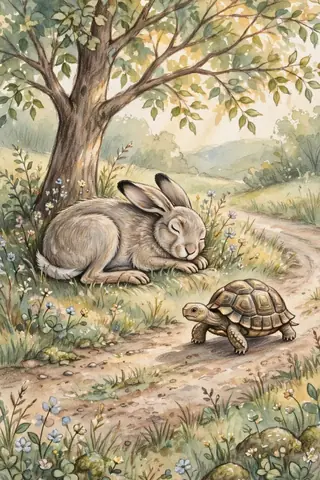 B1
龟兔赛跑
 B1
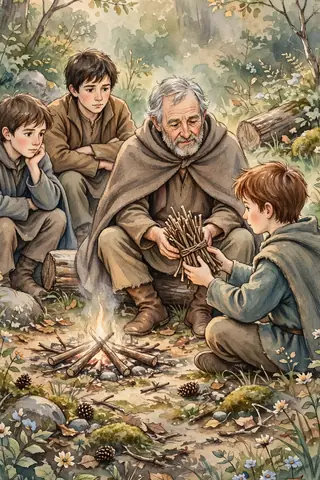
一捆木棍
 B1
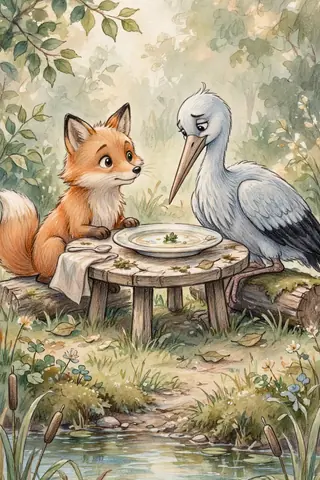
狐狸和鹳
 B1
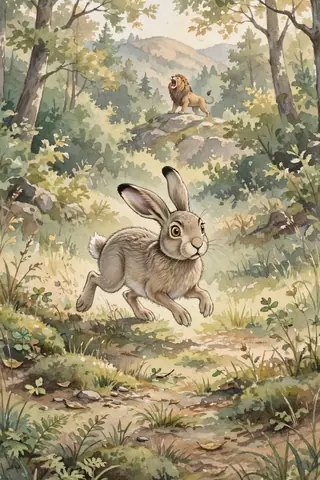
野兔和它的耳朵
 B1
《狼和鹤》
 B1
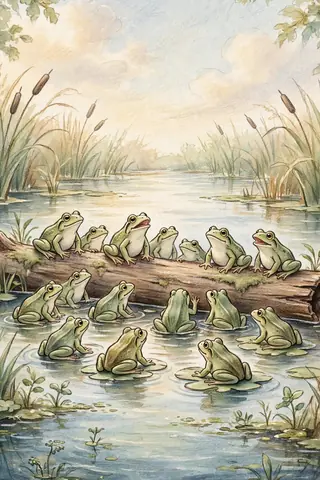
想要国王的青蛙
 B1
狼来了
 B1
狐狸和乌鸦
 B1
城市老鼠和乡村老鼠
 B1
盲人摸象
 B1
智者第欧根尼
 B1
小极了
 B1
勇敢的三百勇士
 B1
布鲁斯与蜘蛛
 B1
豌豆公主
 B1
阿尔弗雷德大王和饼
 B1
威廉·退尔的故事
 B1
亚历山大与布西发勒斯
 B1
达蒙和皮西亚斯
 B2
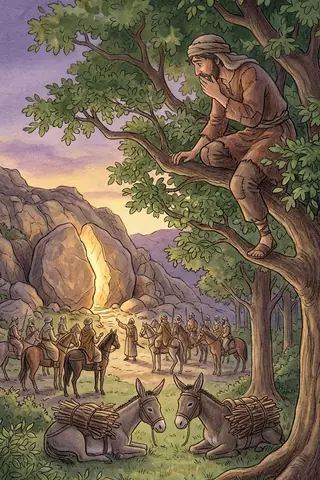
阿里巴巴和四十个强盗
 B1
达摩克利斯之剑
 B1
海边的克努特国王
 B1
懒汉杰克
 B1
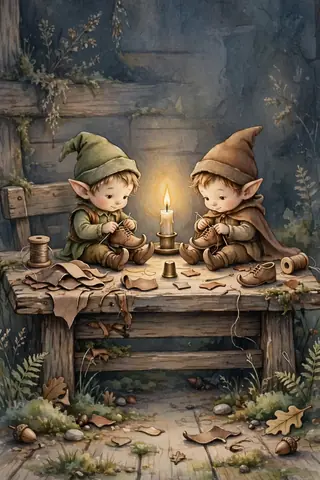
小精灵和鞋匠
 B1
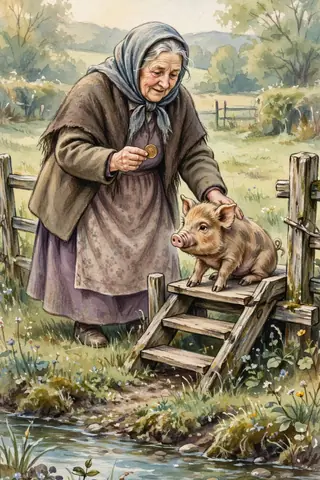
老太太和她的小猪
 B1
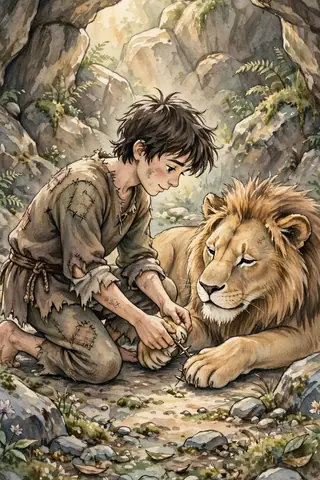
安德罗克勒斯与狮子
 B1
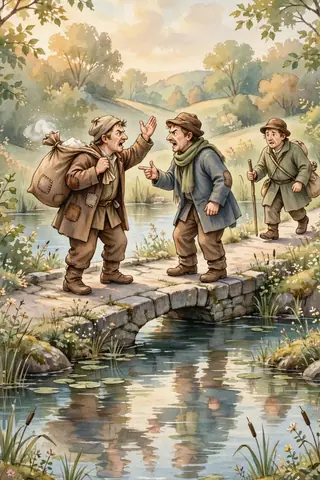
高谭镇的三个人
 B1
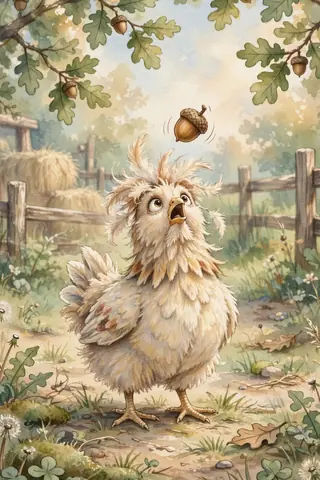
母鸡佩妮
 B1
桥头的霍拉提乌斯
 B1
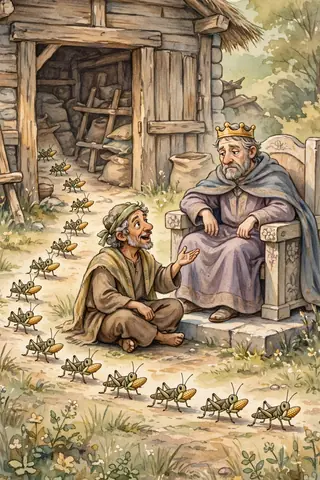
讲不完的故事
 B1
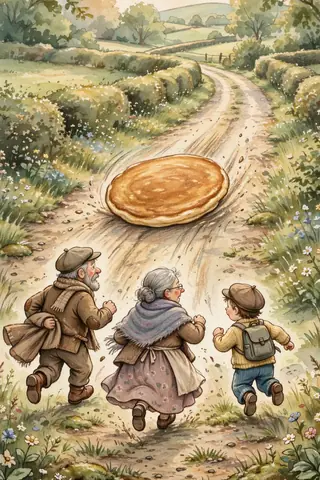
约翰尼饼
 24B1
三百个小圆面包
 B1
白船
 B1
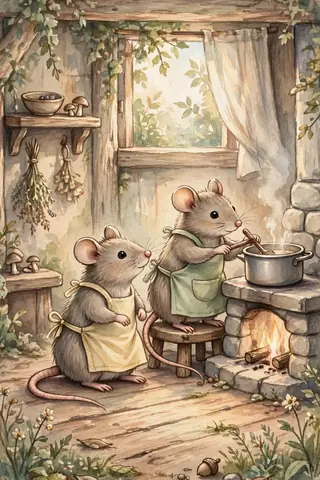
《蒂蒂鼠和塔蒂鼠》
 29B1
窗户
 B1
卖火柴的小女孩
 B1
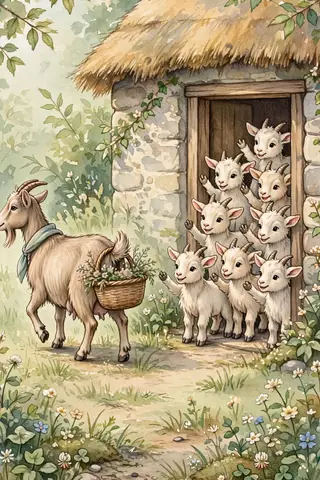
狼和七只小羊
 26B1
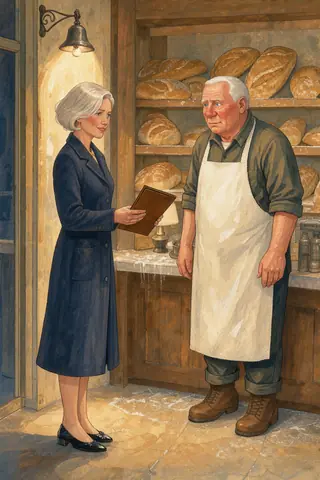
一个出价
 B1
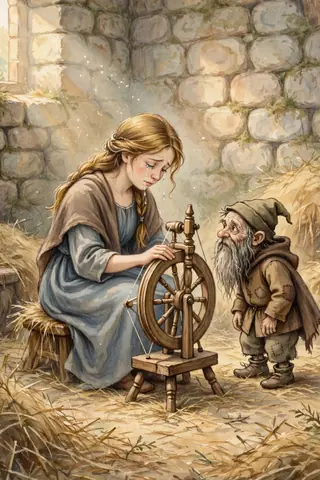
侏儒怪
 38B2
普里娅的秘密
 B1
大萝卜
 28B1
画船
 31B2
洗衣店楼上
 B1
青蛙王子
 21B1
一个叫米克的朋友
 37B2
二十一万
 B1
不来梅的音乐家
 B1
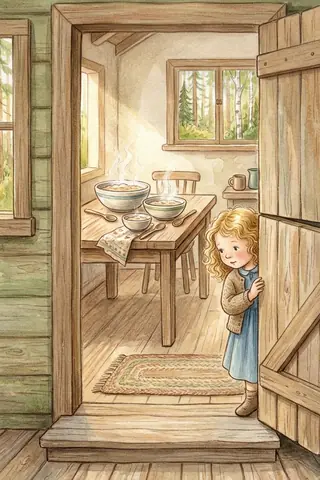
金发姑娘和三只熊
 B1
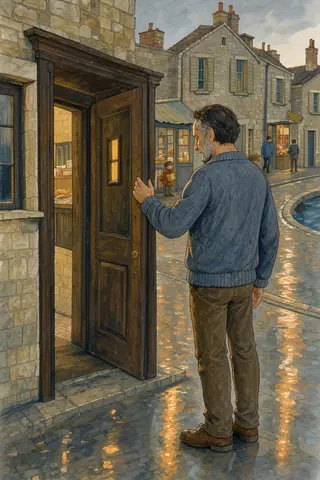
心与手
 27B1
不是给我的
 33B2
收拾行李
 B1
野玫瑰
 25B1
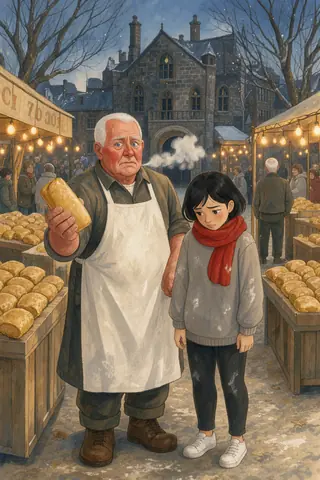
冬季市集
 35B2
凌晨三点
 39B2
最后一晚
 40B2
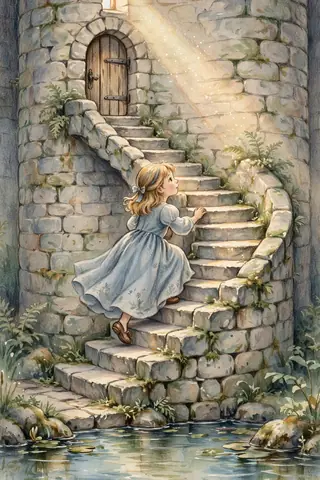
台阶
 B2
一小时的故事
 B1
鲸鱼的喉咙是怎么来的
 30B1
她一直知道
 B1
大洪水
 22B1
钥匙
 B1
三个傻瓜
 B1
神奇的织工
 23B1
台阶上
 B1
霍勒太太
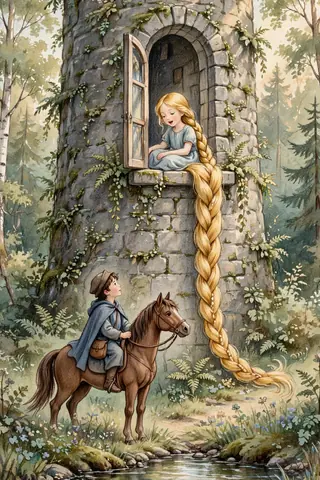 B1
莴苣姑娘
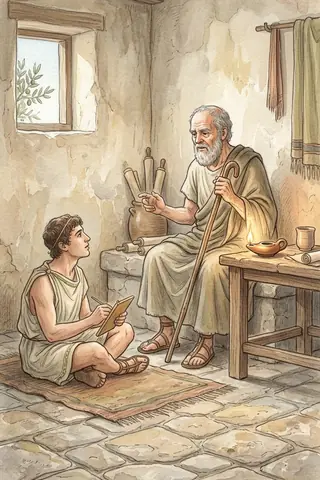 B1
获释奴隶爱比克泰德
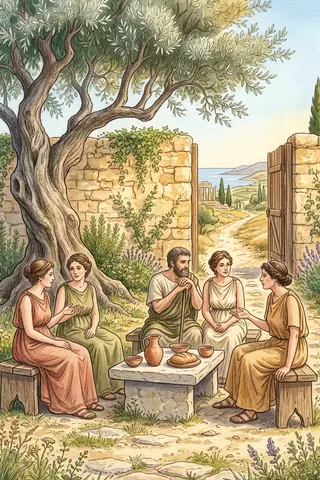 B1
萨摩斯的伊壁鸠鲁
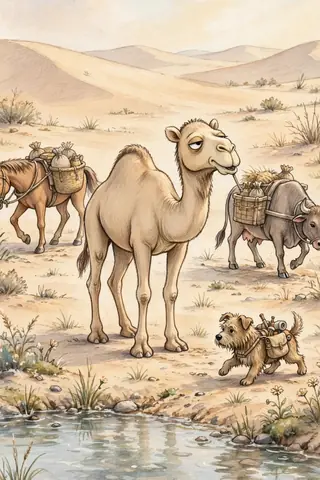 B1
骆驼怎样长出了驼峰
 32B2
三号
 B1
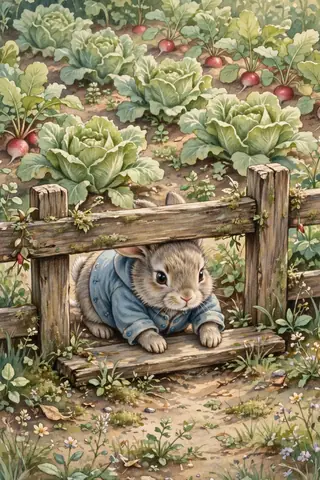
《彼得兔的故事》
 B1
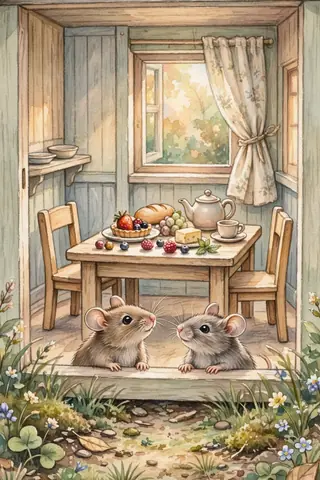
两只坏老鼠的故事
 B1
马可·奥勒留
 34B2
真相
 B1
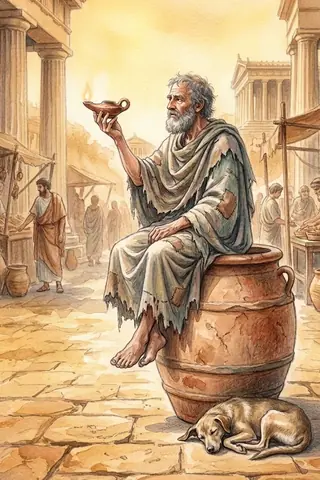
锡诺普的第欧根尼
 B2
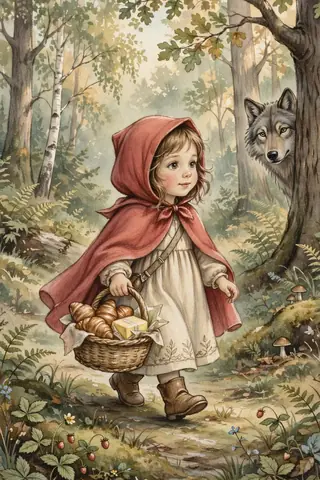
小红帽
 36B2
红油漆
 B1
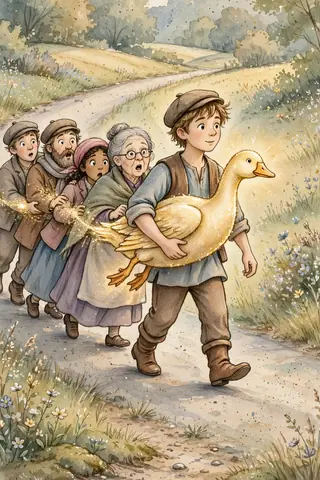
金鹅
 B2
开着的窗户
 B1
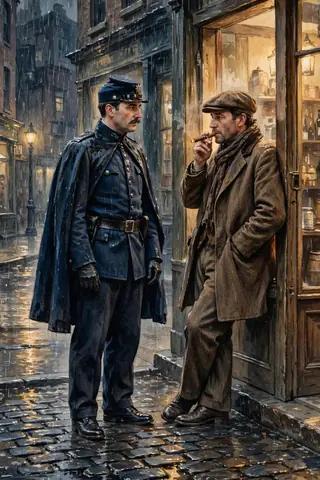
二十年后
 B1
约翰王与修道院院长
 B1
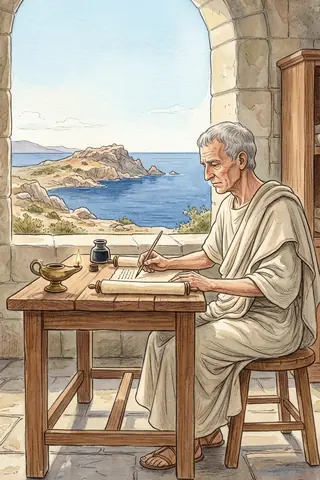
罗马人塞涅卡
 B1
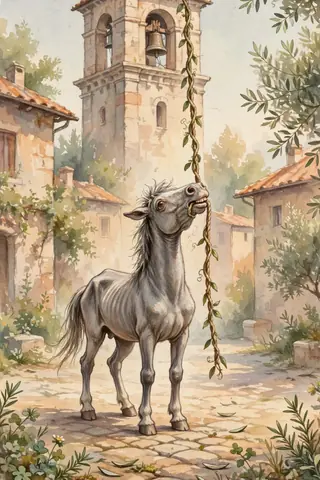
阿特里的钟
 B1
以弗所的赫拉克利特
 B1
三个问题
 B2
忙碌经纪人的浪漫故事
 B1
伊娥的故事
 B1
三只小猪的故事
 B1
皇帝的新装
 B1
萨摩斯的毕达哥拉斯
 B1
《酸豆树下的车胎》
 B2
好小男孩的故事
 B1
小红帽
 B1
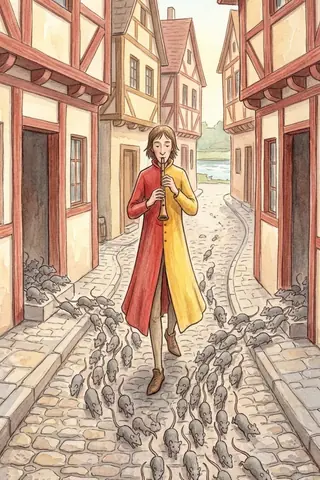
哈梅林的花衣吹笛人
 B1
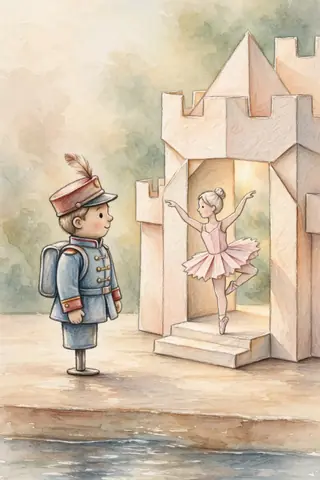
坚定的锡兵
 B1
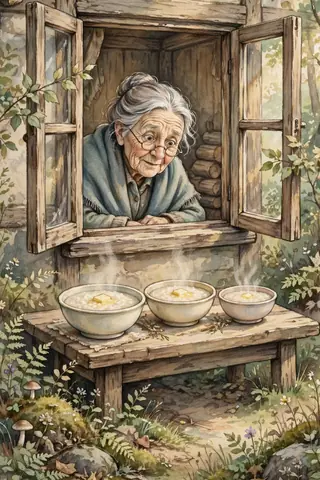
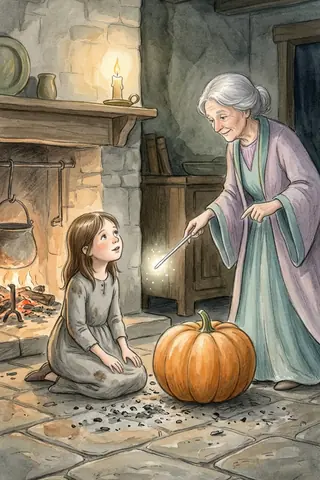
三只熊的故事
 B2
灰姑娘,或小玻璃鞋
 B1
万卡
 B2
向右打灯
 8B2
大雪
 B1
雅典的柏拉图
 B1
雅典的苏格拉底
 B1
《自私的巨人》
 B2
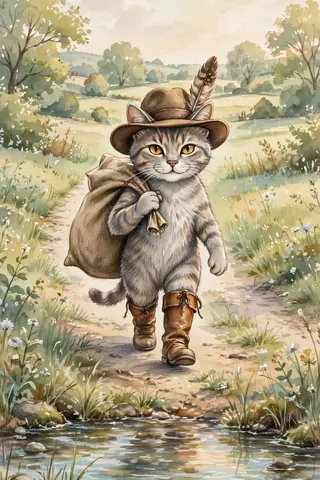
穿靴子的猫
 B2
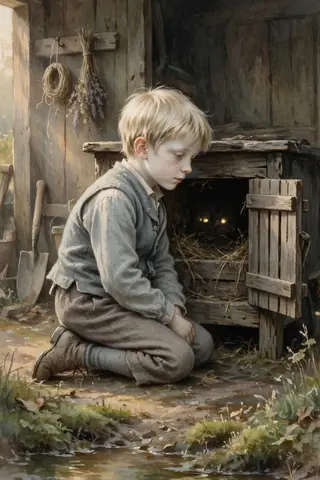
斯雷德尼·瓦什塔尔
 B1
大拇指汤姆的故事
 B1
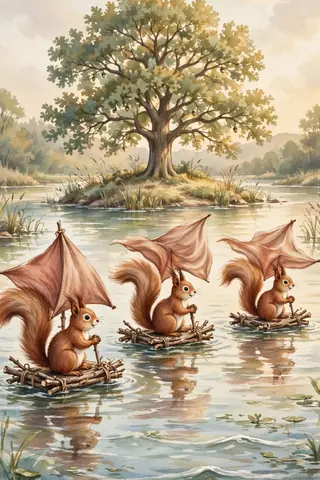
松鼠纳特金的故事
 B2
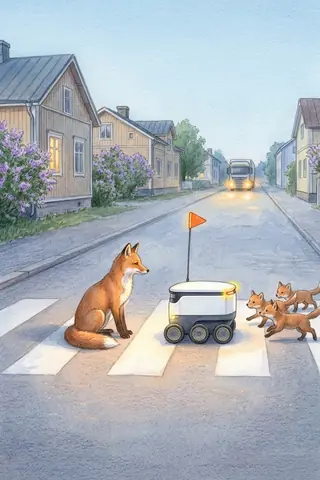
卡拉马亚的红绿灯
 B2
布里尔小姐
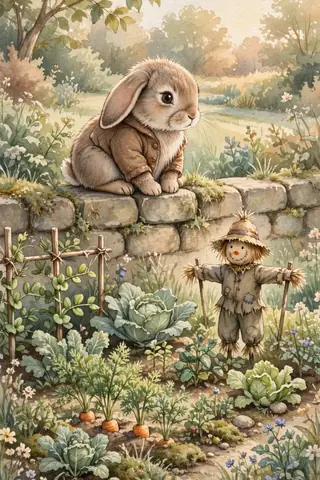 B1
《小兔本杰明的故事》
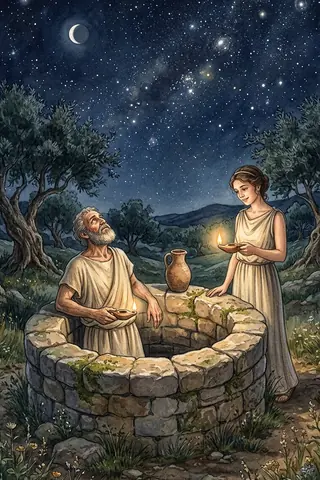 B1
米利都的泰勒斯
 B1
渔夫和他的妻子
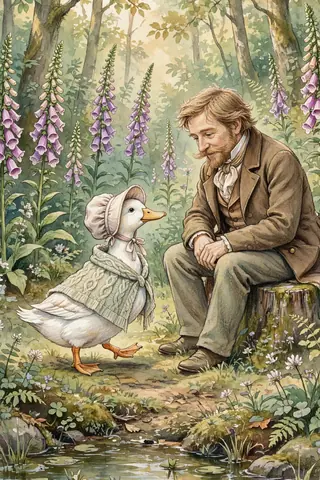 B1
《水坑鸭杰迈玛的故事》
 5B2
给W。
 B1
了不起的工匠
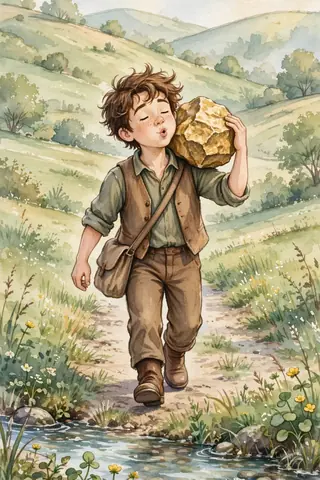 B1
幸运的汉斯
 10B2
钥匙
 3B2
工作灯
 B1
邮政局长
 6B2
条件
 B2
杂物间
 B2
麦琪的礼物
 B2
闯入者
 B2
美女,还是老虎?
 B1
灰姑娘
 B1
白雪姑娘
 B1
不给乔纳斯
 B2
德西芮的孩子
 B1
小象的故事
 4B2
火边的人
 B2
讲故事的人
 B1
杰克与魔豆
 B1
普罗米修斯的故事
 B1
四个音,十点半
 7B2
北侧
 B1
汉塞尔与格莱特
 3B1
两双手
 B1
13号房间
 6B1
药店楼上
 B2
警察与赞美诗
 B2
最后一片叶子
 10B1
留下来的理由
 B1
夜莺与玫瑰
 B1
卡德摩斯与欧罗巴
 B1
《惠廷顿和他的猫》
 B1
汤姆·蒂特·托特
 2B1
圣器室
 B2
打赌
 9B2
第二步
 4B1
邮递员
 1B2
那份出价
 2B2
规则
 B1
明天的消息
 B2
周二十点
 B1
《卡布尔商人》
 9B1
一篇没有名字的专栏
 B2
改邪归正
 5B1
五十包纸
 B1
还没到时候
 B1
丑小鸭
 B1
独来独往的猫
 1B1
一个行李箱
 B1
快乐王子
 B2
暴风雨(莎士比亚戏剧故事)
 B2
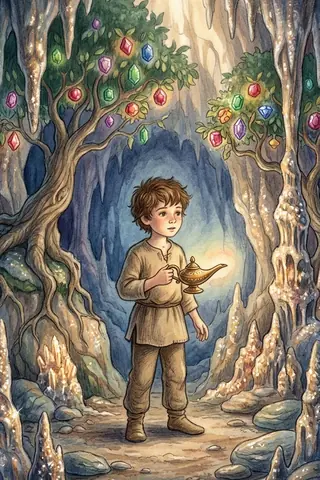
阿拉丁与神灯
 8B1
那就走吧
 B2
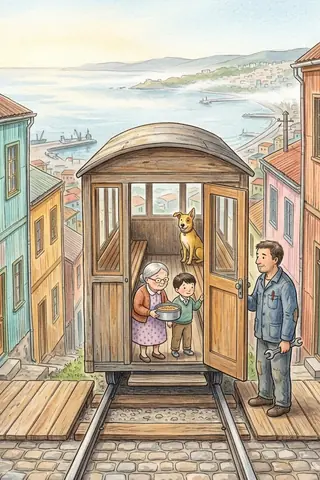
圣拉斐尔的制动器
 B1
潮汐耐心
 B1
《丝绒兔子》
 B1
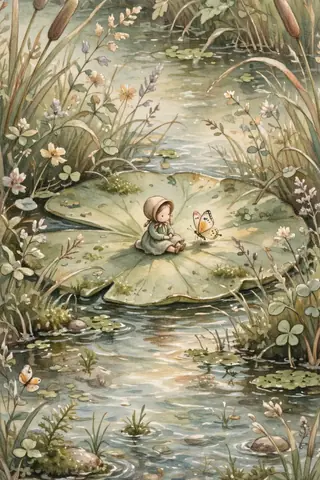
拇指姑娘
 B2
项链
 7B1
厨房的桌子旁
 B2
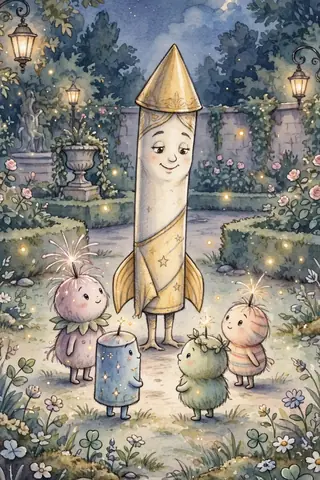
了不起的火箭
 B1
忠实的朋友
 B2
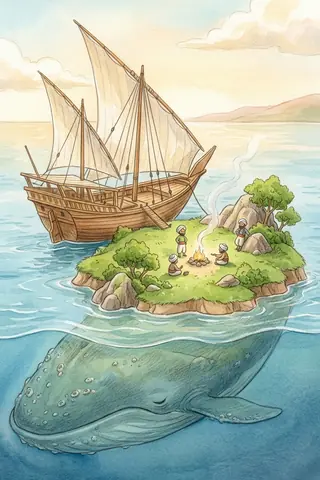
航海家辛巴达
 B1
魔术店
 B2
猴爪
 B2
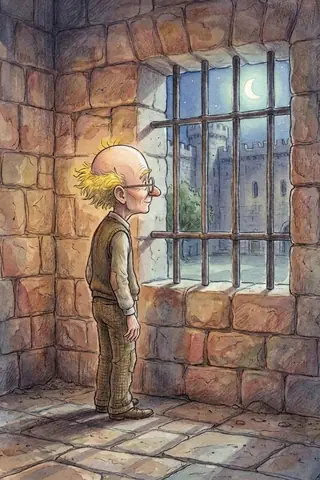
13号牢房之谜
What intermediate Chinese stories are like
Intermediate stories are where reading gets rewarding. They are written for adults, with twists and irony (The Gift of the Magi, The Necklace, The Open Window), but short enough to finish in twenty minutes to half an hour.
The vocabulary is wider and the sentences longer than in a fable, and dialogue brings in everyday phrases that textbooks leave out. With the English next to each paragraph, none of that has to stop you.
How to read Chinese at B1–B2
Read in Chinese, check in English
At B1–B2 you can usually follow the Chinese on its own. Keep your eyes on it and look across only when a sentence doesn’t land, rather than reading both sides line by line.
Let the plot pull you
These stories were written to be enjoyed. If you want to know how it ends, you will read faster and remember more, so pick the one whose first page grabs you.
Notice the tenses
Stories are told in the past, and the Chinese past tenses carry meaning the English sometimes flattens. Comparing the two sides is the quickest way to feel the difference.
More on the method in how to read a parallel text.