Chinese · English · A1–A2
Easy Chinese short stories for beginners, with English translation (A1–A2)
Short stories written in simple Chinese for learners, with the English beside every paragraph. Short enough to finish in one sitting, simple enough for your first months of Chinese.
170 beginner stories in Chinese, 133 of them free
Each one opens in your browser with no account, the Chinese and the English side by side, paragraph by paragraph, shortest first. Every free story is also a free Chinese–English ebook for Kindle, Kobo or any e-reader: downloading needs a free account, no payment (which file to pick).
The stories at this level come from 零基础入门, original Chinese stories written for the library.
The stories at this level come from 入门小故事, original Chinese stories written for the library.
The stories at this level come from 24路公交, original Chinese stories written for the library.
The stories at this level come from 真实生活, original Chinese stories written for the library.
The stories at this level come from 简易名著 A2, original Chinese stories written for the library.
The stories at this level come from 日常对话, original Chinese stories written for the library.
The stories at this level come from 亚洲民间故事, original Chinese stories written for the library.
The stories at this level come from 柠檬屋之夏, original Chinese stories written for the library.
The stories at this level come from 圣诞剧, original Chinese stories written for the library.
The stories at this level come from 简单故事, original Chinese stories written for the library.
The stories at this level come from 夜间面包房, original Chinese stories written for the library.
Open the beginner Chinese–English stories in the library, where you can search them and switch to another level or pair.
To listen as you read, see the Chinese stories with audio.
 A1
给健的饭团
 A1
布鲁姆坐火车
 10A1
小路上的男人
 1Pre-A1
你好!
 A1
本和黄色雨伞
 9A1
不关你的事
 A1
奶奶学游泳
 2Pre-A1
一,二,三
 3Pre-A1
我饿!
 A1
一只狗住一个星期
 4Pre-A1
一个房间
 A1
布鲁诺和小香肠
 A1
松动的牙
 A1
小鸭子
 A1
给奶奶的雪人
 A1
霍佩尔和第一场雪
 3A1
路对面的小店
 A1
爷爷和手机
 A1
爷爷和眼镜
 6Pre-A1
晚安
 A1
四只小猫
 A1
给妈妈的蛋糕
 5A1
一个好面包
 6A1
Jess带Ana看小镇
 17A2
父亲们
 17Pre-A1
Max长什么样?
 A1
咪咪在哪儿?
 A1
布鲁诺和洗澡
 A1
红色的自行车
 4A1
第一个客人
 16A2
最后的催款信
 5Pre-A1
我的钥匙在哪儿?
 A1
新来的男孩
 A1
天上的一条鱼
 11A2
沿河而行
 18A2
别管我
 16Pre-A1
在镇上
 A1
谁吃了草莓?
 A2
没有标记的饭盒
 2A1
面粉、水、盐
 13Pre-A1
Leo生病了
 14Pre-A1
一份工作
 A1
三个西红柿
 7A1
后门
 8A1
Walter,生日快乐
 13A2
Jess的秘密
 7Pre-A1
Ben和Max
 9Pre-A1
左还是右?
 19Pre-A1
找到了!
 20Pre-A1
派对
 A1
小兔霍佩尔睡不着
 15A2
夜班车
 20A2
二号站台
 15Pre-A1
Max不见了
 9A1
不许入内
 19A2
去利兹的火车
 10Pre-A1
雨
 18Pre-A1
暴风雨
 3A1
黑暗中的声音
 14A2
Mick
 A2
火车上的女人
 12A2
Priya的故事
 12Pre-A1
家人
 6A1
一百个名字
 A2
泄密的心
 5A1
三十
 8Pre-A1
在店里
 11Pre-A1
新外套
 A1
群聊
 A2
一百六十八个点
 1A1
9点15分的车
 8A2
货架之间
 A2
湖中的光
 A1
南瓜太大了
 4A1
Hamid的承诺
 7A1
红围巾
 A2
花木兰
 A2
帐篷里的一夜
 2A1
工具
 3A2
上帝的考验
 3A2
看医生
 A2
给瓦格纳太太的包裹
 A2
我从未问过的问题
 5A2
红手套
 8A1
数人
 A1
住两个晚上的房间
 10A1
平安夜
 10A2
平安夜
 A2
爱说话的乌龟
 4A2
小小的脚印
 6A2
结冰的池塘
 A2
狮子和聪明的野兔
 4A2
惊喜聚会
 A2
回到两分钟前
 9A2
鞋盒
 5A2
钥匙
 A2
新同事
 2A2
不要害怕
 A2
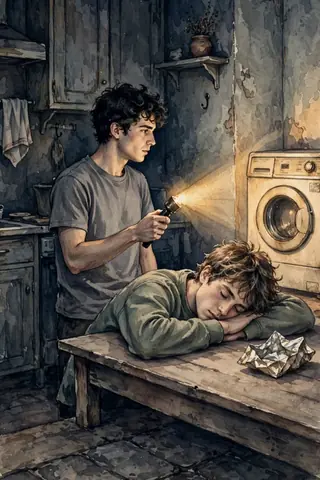
猴子和鳄鱼
 2A2
夜里的声音
 7A2
工具箱
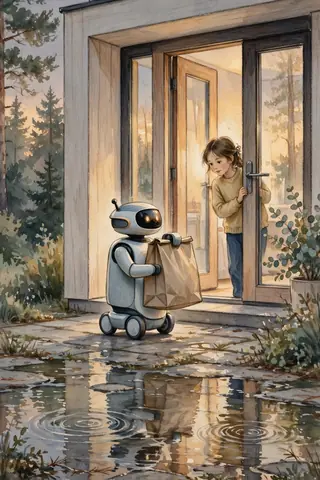 A2
会倾听的房子
 1A2
够大了
 7A2
湖之节
 9A2
这件裙子
 3A2
马可
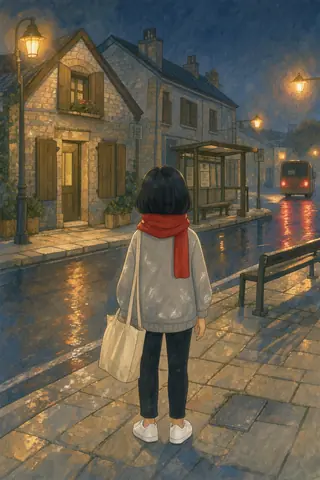 1A1
最后一班车
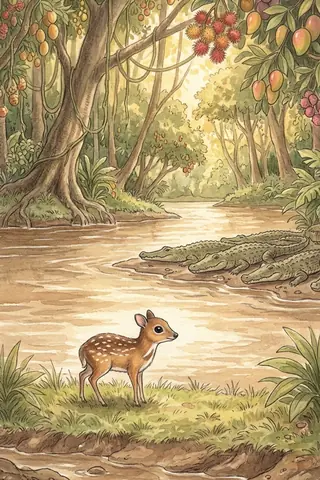 A2
Sang Kancil和鳄鱼
 8A2
埃琳娜的箱子
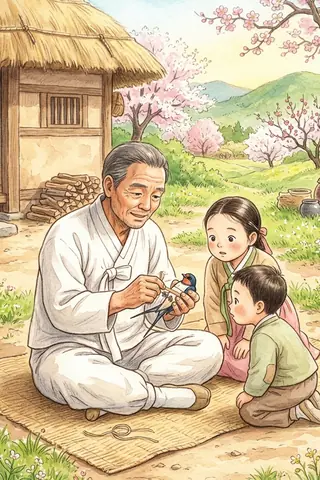 A2
兴夫和孬夫
 2A2
三人早餐
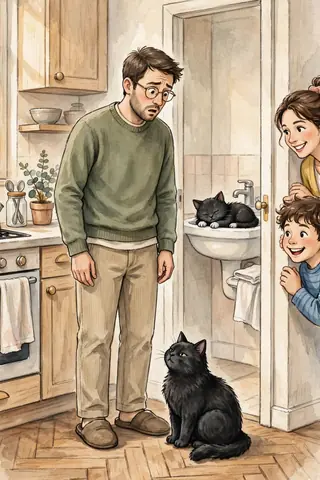 A2
第三只猫
 4A2
暴风雨
 5A2
教堂的石墙
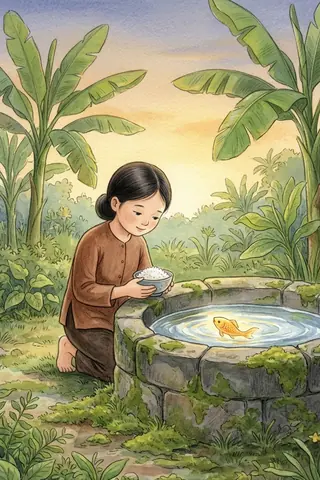 A2
阿簪和阿甘(越南版灰姑娘)
 6A2
苏菲的秘密
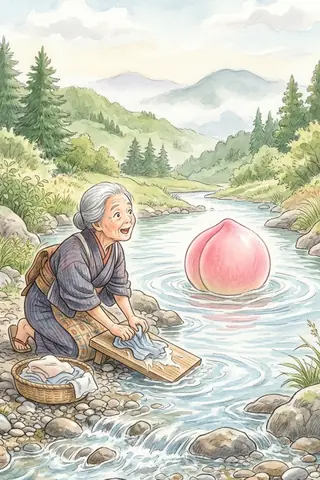 A2
桃太郎
 1A2
送错的包裹
 A2
第47页
 1A2
钥匙
 A2
绿色的门
 A2
8点15分的狗
 A2
莱贡街上的房子
 A1
一万步
 A2
楼道里的纸条
 A1
最后一班公共汽车
 A1
出租车里的手机
 A2
同一个星期六
 A2
灰色行李箱
 A1
夜班
 A1
我妈妈的dal
 A1
我的女儿,我的老师
 A1
照片里的小狗
 A1
给老板的信封
 A2
没有人回复
 A2
生火
 A1
咖啡馆里的便条
 A2
包裹
 A2
四十八岁
 A2
五十岁,登顶
 A1
三十天,不花钱
 A2
房屋守则
 A2
两只左脚
 A2
请再说一遍
 A2
十公里
 A2
打错的号码
 A2
没有护照
 A2
蓝宝石
 A2
红发会
 A2
坎特维尔鬼魂
 A2
盲人之国
 A2
斑点带子
 A2
波希米亚丑闻
 A2
瓶中小鬼
 A2
野性的呼唤
 A2
时间机器
 A2
杰基尔博士和海德先生
 A2
圣诞颂歌
 A2
四签名
 A2
血字的研究
 A2
绿野仙踪
 A2
隐形人
 A2
金银岛
 A2
曾达的囚徒
 A2
八十天环游地球
 A2
巴斯克维尔的猎犬
 A2
地心游记
 A2
米哈伊尔·斯特罗戈夫
 A2
气球上的五星期
 A2
海底两万里
What beginner Chinese stories are like
These stories are written for the level, not translated down to it: everyday settings, short sentences, the words a beginner meets first, and a plot worth finishing.
The classics start at B1. Even a short fable becomes full, old-fashioned prose once translated, so the fables and fairy tales sit one level up, as the first step after these.
How to read Chinese at A1–A2
Read the English first if you need to
At A1 there is no shame in reading a paragraph in English, then the Chinese. You are matching words to meaning, and the paragraph beside it makes that quick.
Finish, then reread
Read the whole story once, glancing across whenever you are lost. The second time, cover the English and look only when you are stuck. Most readers are surprised how much stayed.
Collect a few words, not every word
Pick three or four words per story that keep coming back and learn those. The rest will return in the next story.
More on the method in how to read a parallel text.