Turkish · English · B1–B2
Intermediate Turkish short stories, side by side with English (B1–B2)
Real literature at a reachable level: O. Henry, Saki, Oscar Wilde, Chekhov and Maupassant in Turkish, with the English original beside every paragraph.
192 intermediate stories in Turkish, 189 of them free
Each one opens in your browser with no account, the Turkish and the English side by side, paragraph by paragraph, shortest first. Every free story is also a free Turkish–English ebook for Kindle, Kobo or any e-reader: downloading needs a free account, no payment (which file to pick).
Besides the classics, this level has stories from Basit Hikâyeler, original Turkish stories written for the library.
Besides the classics, this level has stories from Antik Filozoflar, original Turkish stories written for the library.
Besides the classics, this level has stories from Aziz Nikolaos’a Mektuplar, original Turkish stories written for the library.
Besides the classics, this level has stories from Gece Fırını, original Turkish stories written for the library.
Besides the classics, this level has stories from Meydandaki Pazar, original Turkish stories written for the library.
Open the intermediate Turkish–English stories in the library, where you can search them and switch to another level or pair.
To listen as you read, see the Turkish stories with audio.
 B1
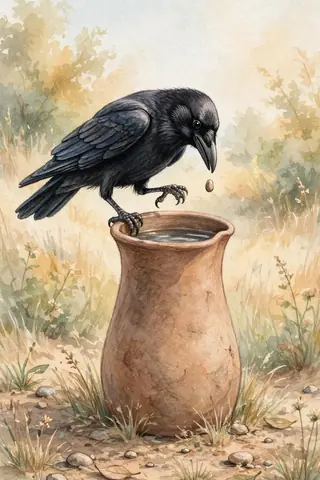
Karga ile Testi
 B1
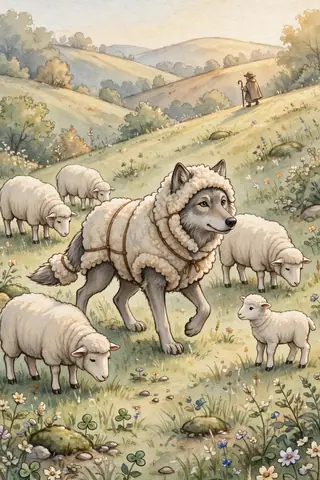
Koyun Postundaki Kurt
 B1
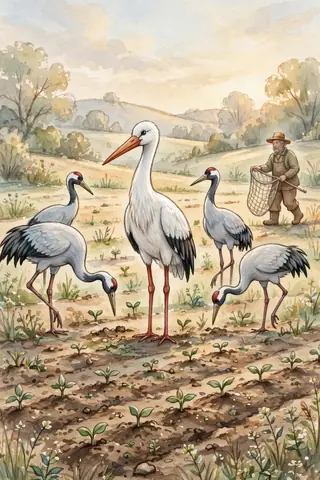
Çiftçi ve Leylek
 B1
Köpek ve Gölgesi
 B1
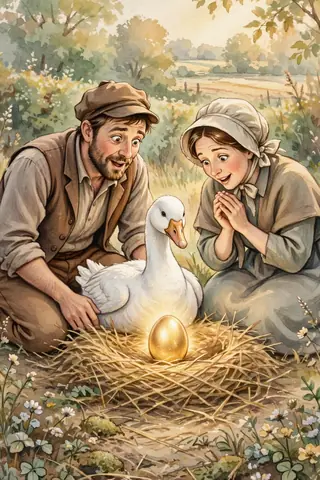
Kaz ve Altın Yumurta
 B1
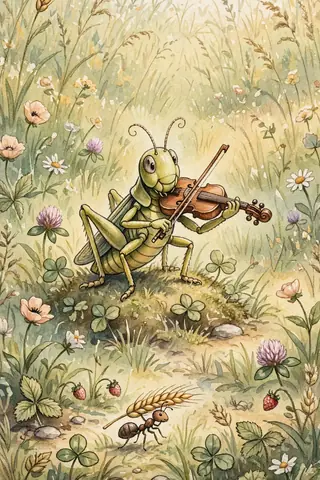
Karınca ile Ağustos Böceği
 B1
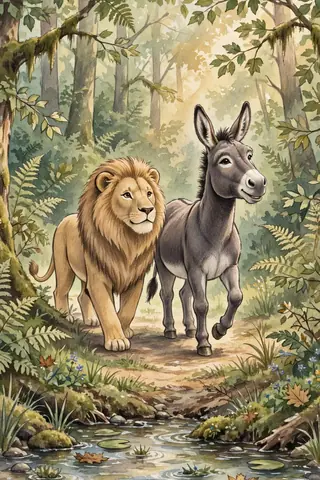
Aslan ile Eşek
 B1
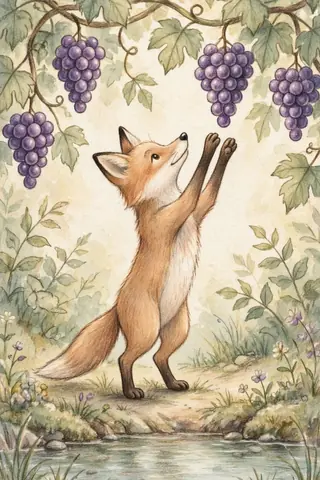
Tilki ile Üzümler
 B1
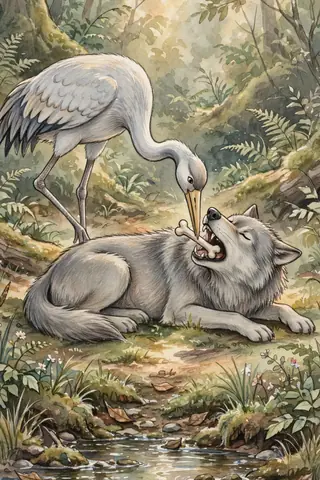
Kurt ile Turna
 B1
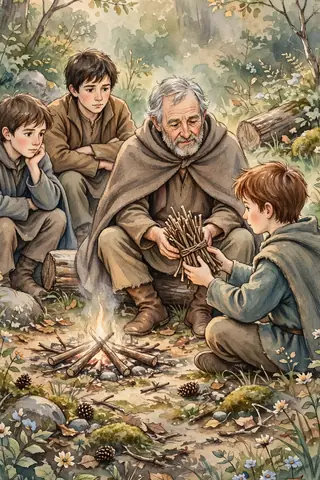
Çubuk Demeti
 B1
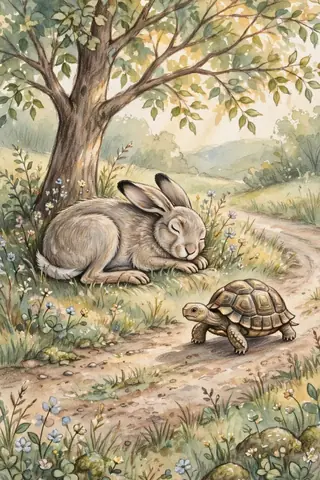
Kaplumbağa ile Tavşan
 B1
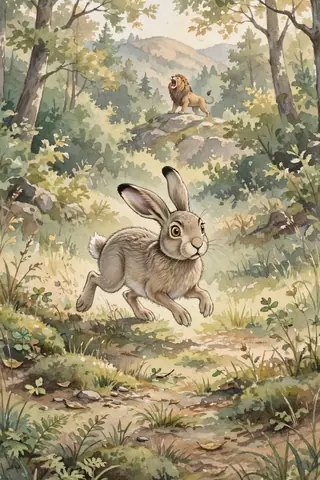
Tavşan ve Kulakları
 B1
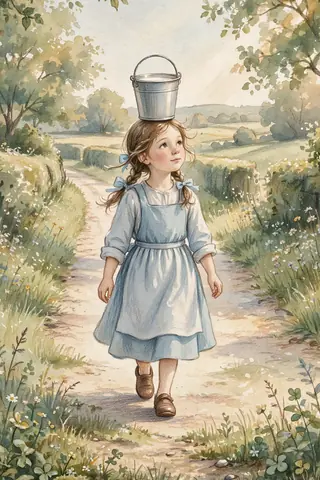
Sütçü Kız ve Bakracı
 B1
Aslan ile Fare
 B1
Meşe ile Kamışlar
 B1
Kuzey Rüzgârı ve Güneş
 B1
Kediye Çan Takmak
 B1
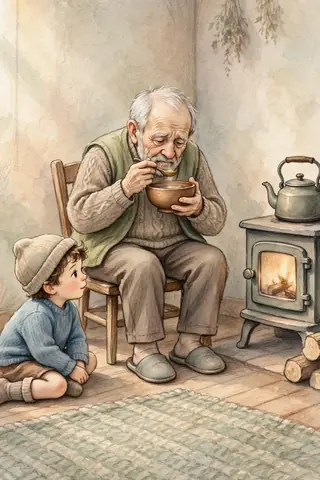
Yaşlı Adam ve Torunu
 B1
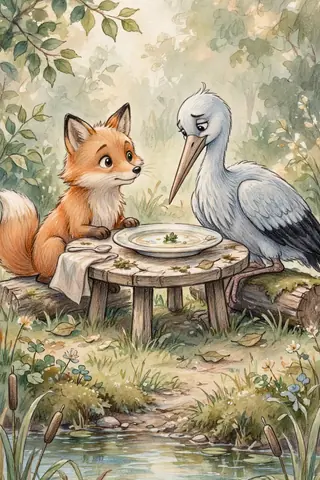
Tilki ile Leylek
 B1
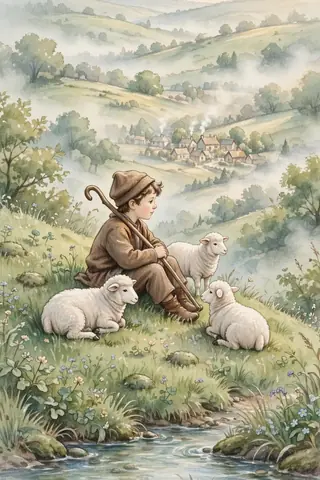
Yalancı Çoban
 B1
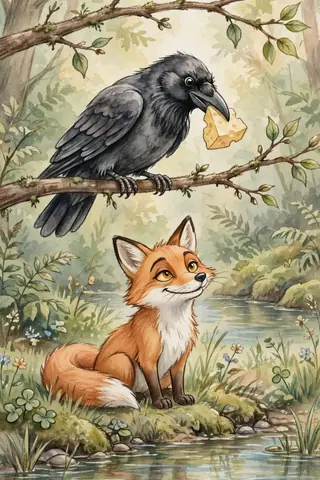
Tilki ile Karga
 B1
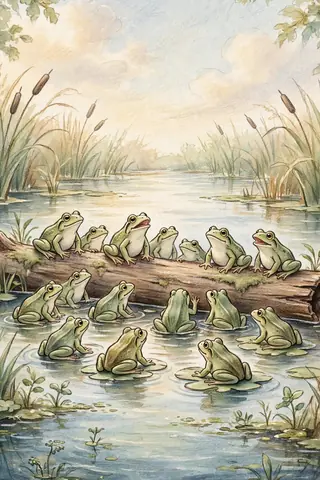
Kral İsteyen Kurbağalar
 B1
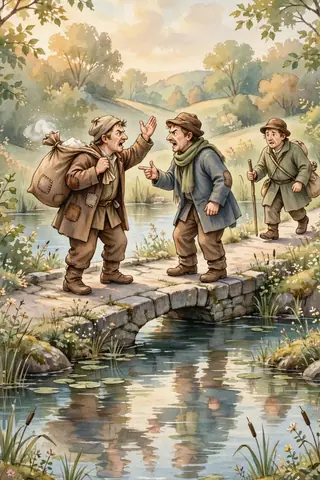
Gotham’ın Üç Adamı
 B1
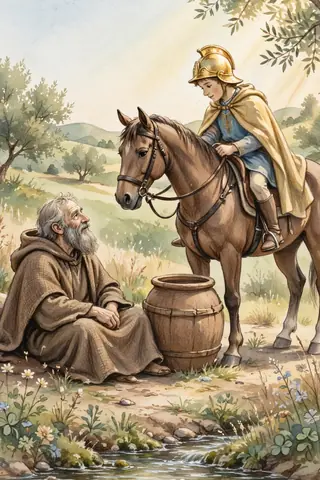
Bilge Adam Diyojen
 B1
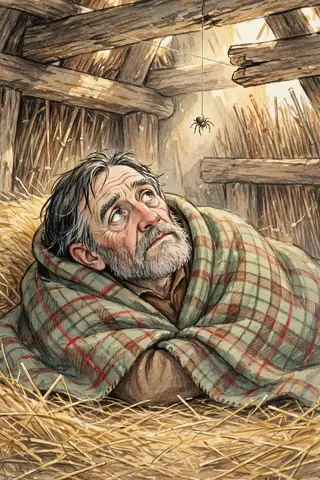
Bruce ve Örümcek
 B1
Prenses ve Bezelye Tanesi
 B1
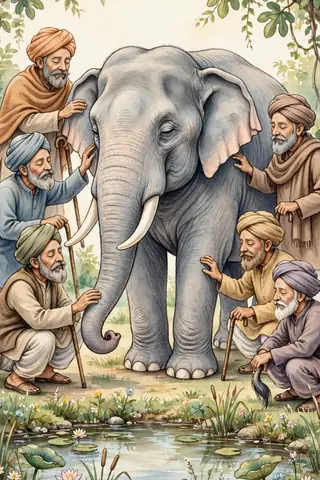
Kör Adamlar ve Fil
 B1
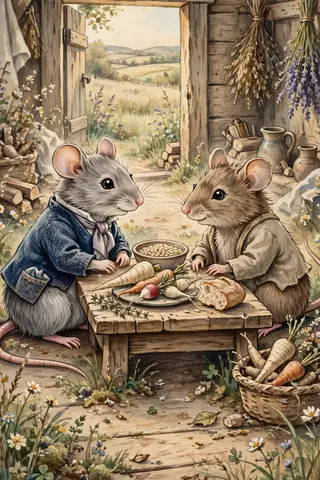
Şehir Faresi ile Köy Faresi
 B1
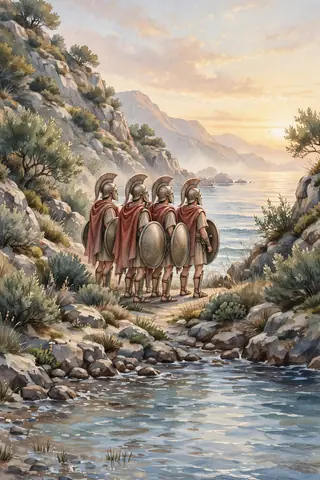
Cesur Üç Yüzler
 B1
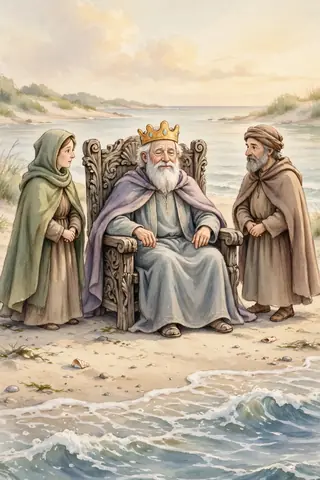
Kral Canute Deniz Kıyısında
 B1
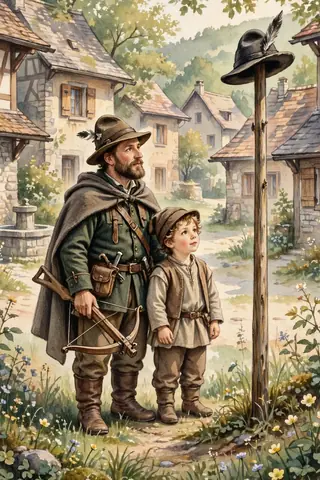
William Tell’in Hikâyesi
 B1
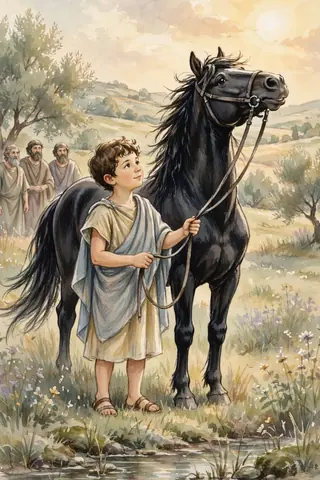
İskender ve Bukefalos
 B1
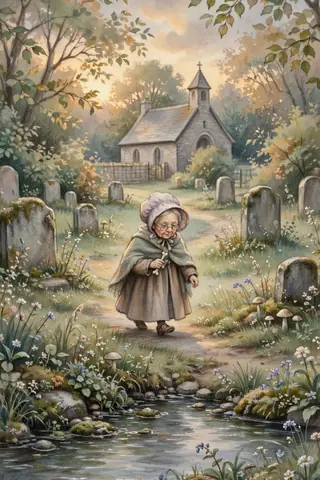
Ufacık Tefecik
 B1
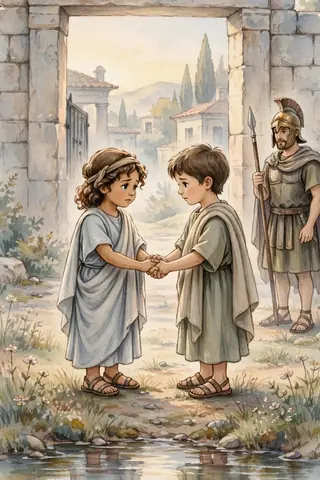
Damon ve Pythias
 B1
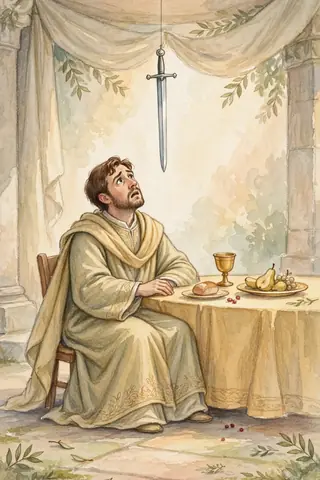
Damokles’in Kılıcı
 B1
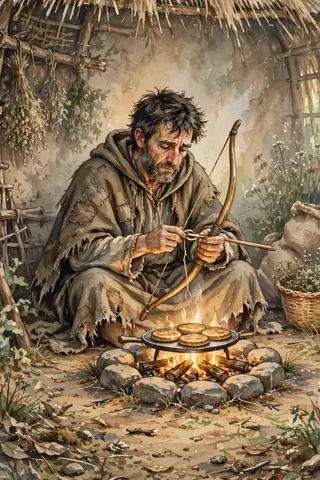
Kral Alfred ve Çörekler
 B1
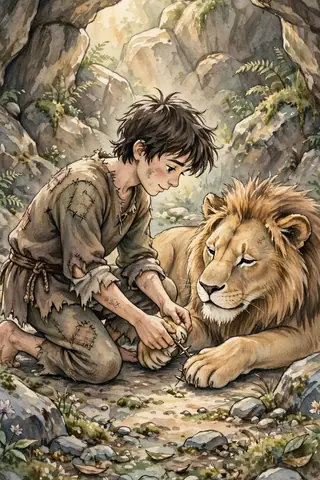
Androklos ve Aslan
 B1
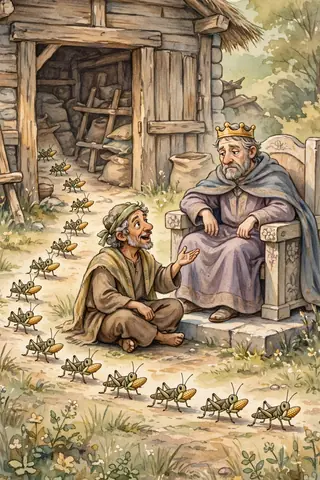
Bitmeyen Masal
 B1
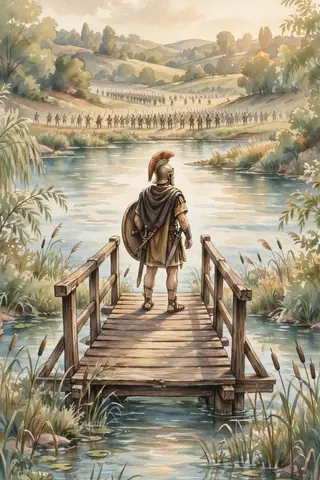
Köprüdeki Horatius
 B1
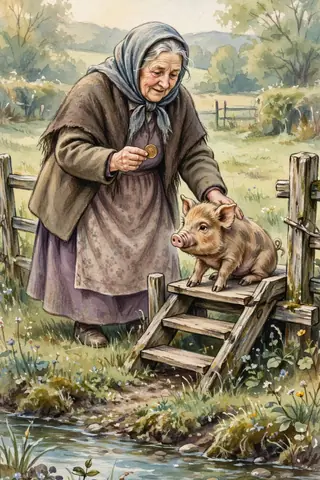
Yaşlı Kadın ve Domuzu
 B1
Tembel Jack
 B1
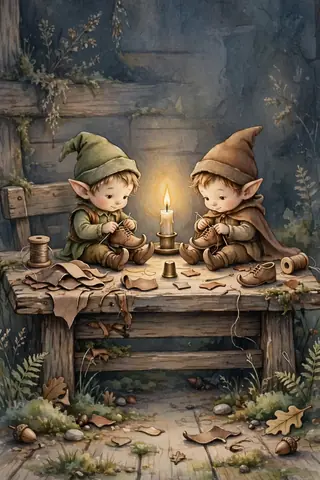
Elfler ve Ayakkabıcı
 B1
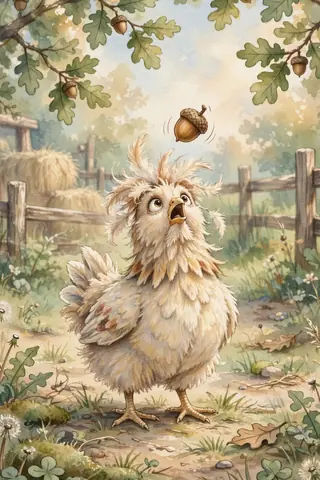
Henny-Penny
 B1
Beyaz Gemi
 B1
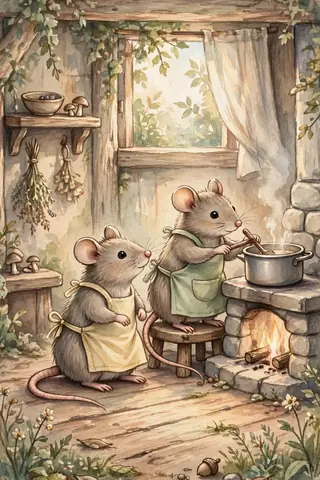
Titty Fare ve Tatty Fare
 B2
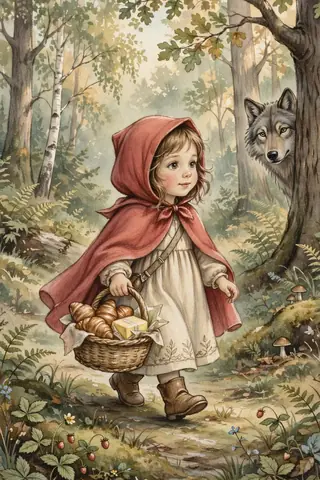
Kırmızı Başlıklı Kız
 B1
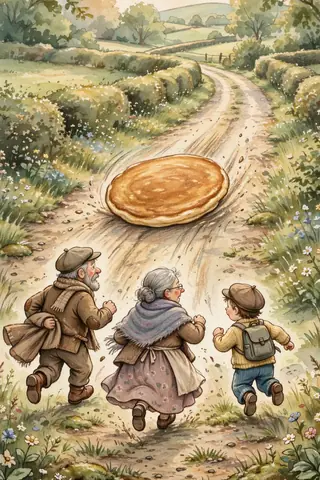
Johnny-Cake
 B1
Yürekler ve Eller
 B1
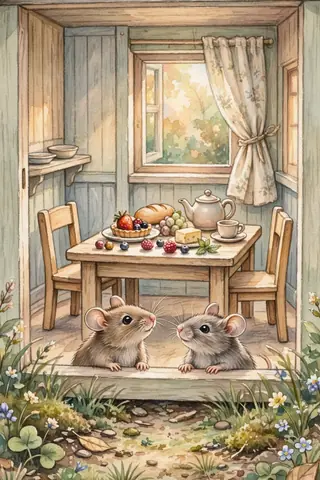
İki Yaramaz Farenin Masalı
 B1
Kibritçi Kız
 B1
Üç Küçük Domuzcuğun Hikâyesi
 B1
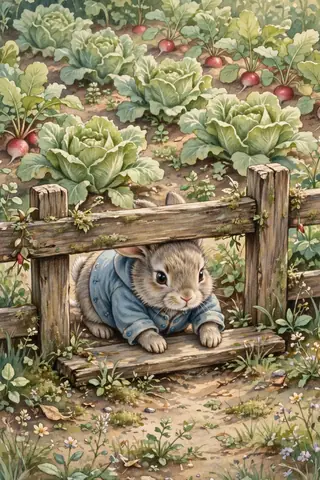
Peter Tavşan’ın Masalı
 B1
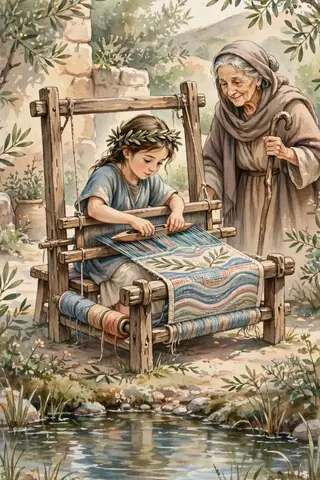
Harika Dokumacı
 B1
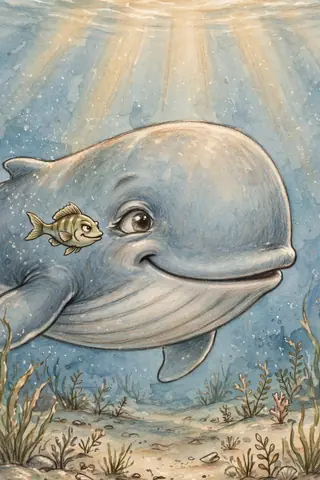
Balinanın Boğazı Nasıl Oluştu
 B2
Bir Saatin Hikâyesi
 B1
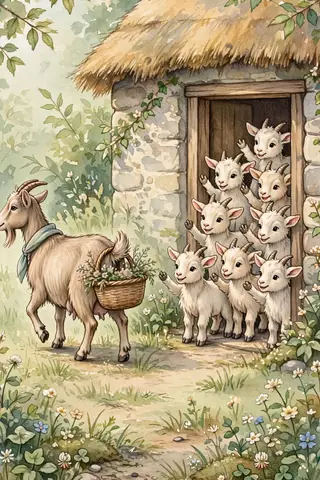
Kurt ve Yedi Küçük Oğlak
 B1
Benjamin Tavşan’ın Masalı
 B1
Tufan
 B1
Kurbağa Prens
 B1
Deve Hörgücünü Nasıl Aldı
 B1
Rumpelstiltskin
 B1
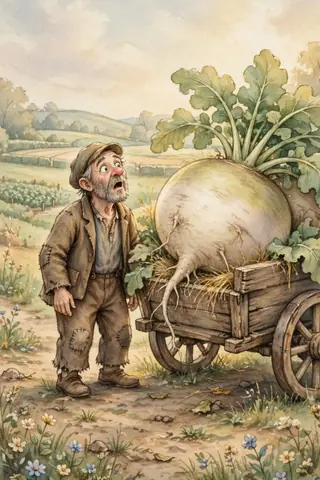
Şalgam
 B1
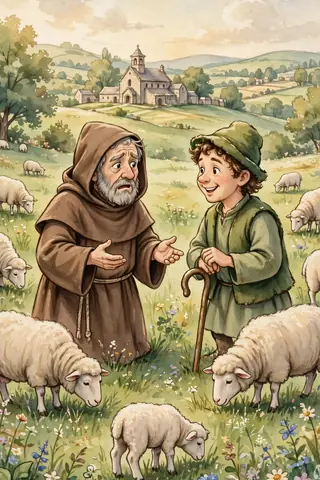
Kral John ve Başkeşiş
 B1
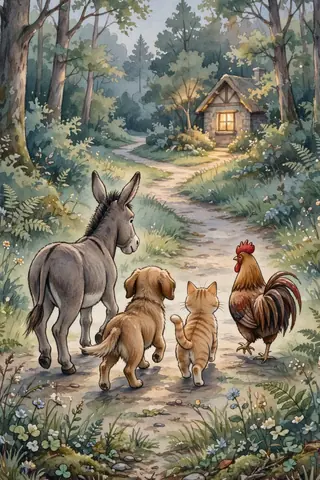
Gezgin Müzisyenler
 B1
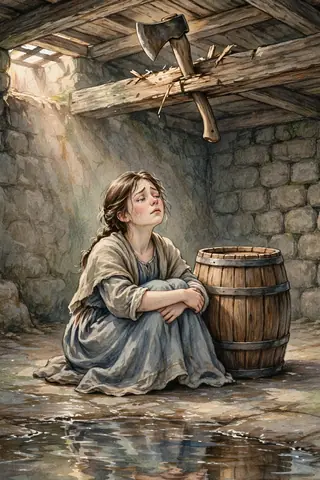
Üç Şapşal
 B1
Atri’nin Çanı
 B1
Holle Ana
 B1
Sincap Nutkin’in Masalı
 B1
Üç Ayının Hikâyesi
 B1
Yirmi Yıl Sonra
 B1
Goldilocks ve Üç Ayı
 B1
Jemima Puddle-Duck’ın Hikâyesi
 B2
Açık Pencere
 B1
Rapunzel
 29B1
Pencere
 B1
Briar Rose
 27B1
Bana Göre Değil
 B1
Kırmızı Başlıklı Kız
 24B1
Üç Yüz Sandviç Ekmeği
 30B1
Biliyordu
 B2
Meşgul Bir Komisyoncunun Romanı
 B1
Altın Kaz
 B1
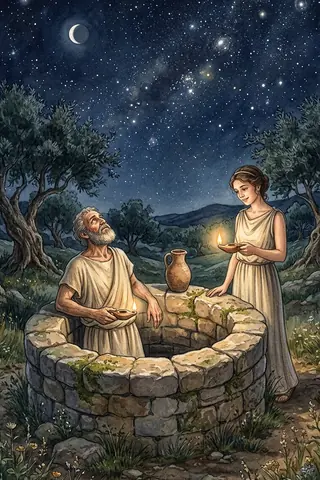
Bencil Dev
 B1
Miletli Thales
 B1
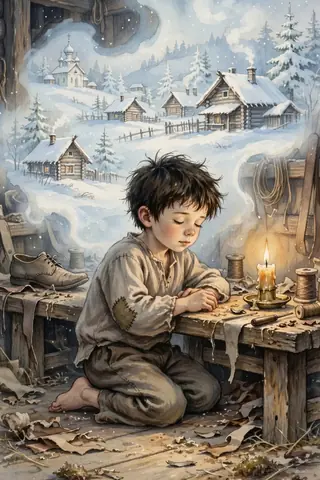
Vanka
 10B1
Kalmak İçin Bir Sebep
 B1
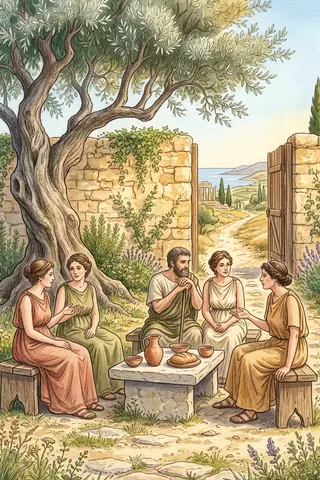
Sisamlı Epikuros
 28B1
Tekne Çizmek
 B1
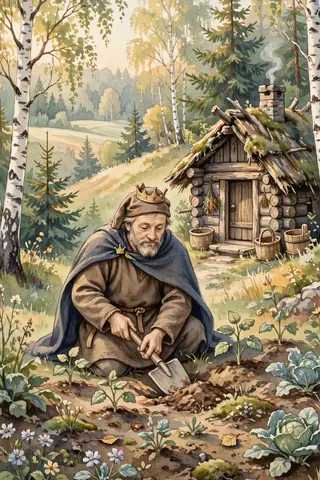
Üç Soru
 B1
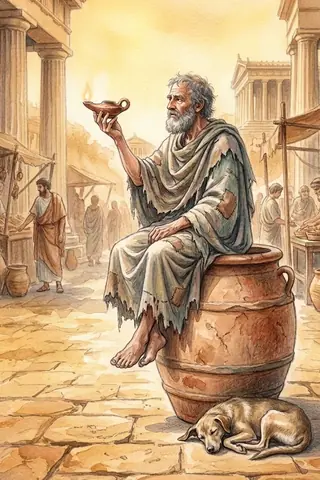
Sinoplu Diyojen
 B1
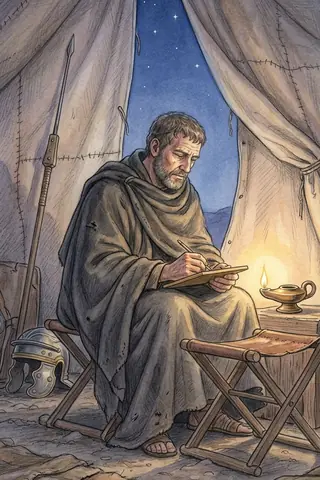
Marcus Aurelius
 B1
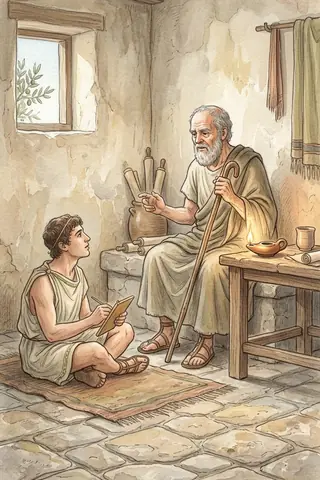
Azatlı Köle Epiktetos
 B1
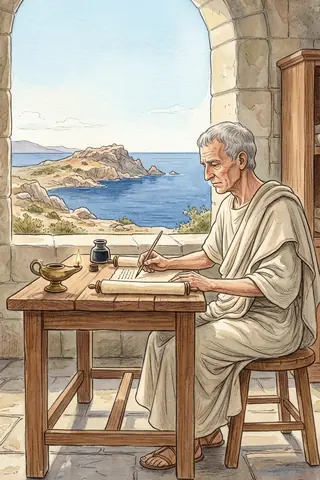
Romalı Seneca
 39B2
Son Gece
 B1
Kralın Yeni Giysileri
 B1
İo’nun Hikâyesi
 B1
Fareli Köyün Kavalcısı
 22B1
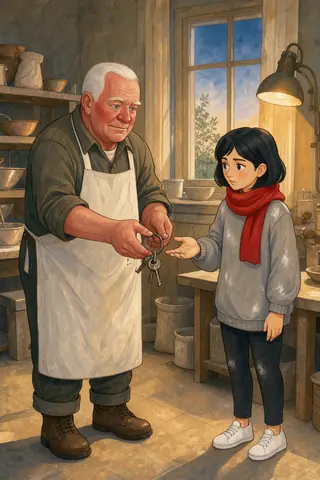
Anahtarlar
 8B1
O Zaman Git
 B1
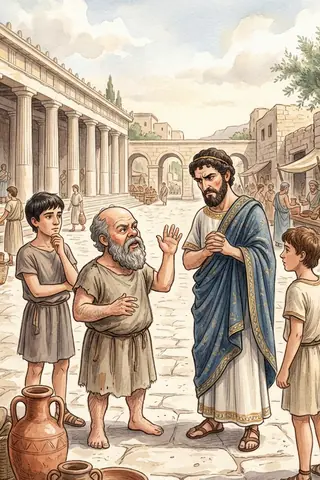
Atinalı Sokrates
 25B1
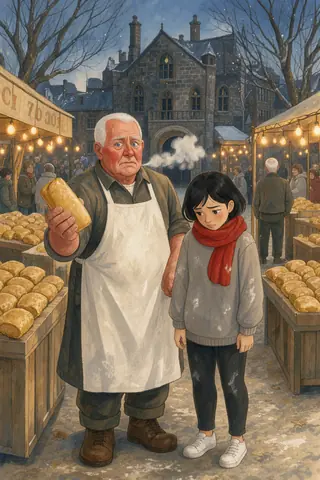
Kış Panayırı
 B1
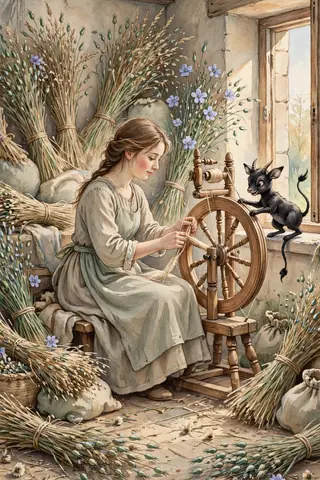
Tom Tit Tot
 40B2
Basamak
 31B2
Çamaşırhanenin Üstünde
 4B1
Postacı
 B1
Sisamlı Pisagor
 35B2
Sabahın Üçünde
 2B1
Sakristiya
 26B1
Bir Teklif
 B1
Efesli Herakleitos
 9B1
İsimsiz Bir Köşe Yazısı
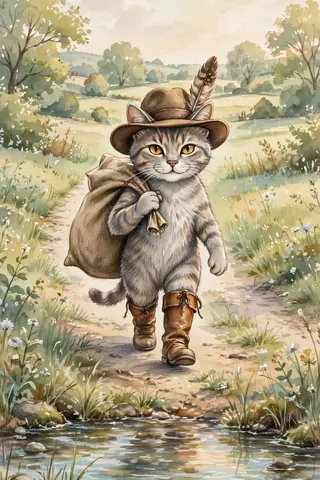 B2
Çizmeli Kedi
 33B2
Toparlanma
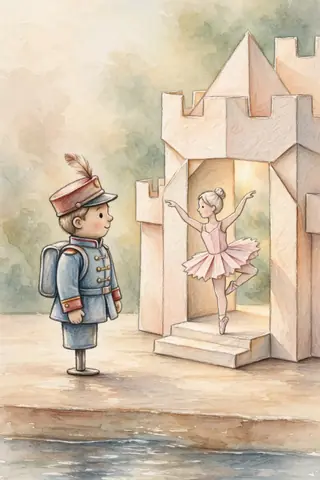 B1
Kararlı Kurşun Asker
 37B2
İki Yüz On Bin
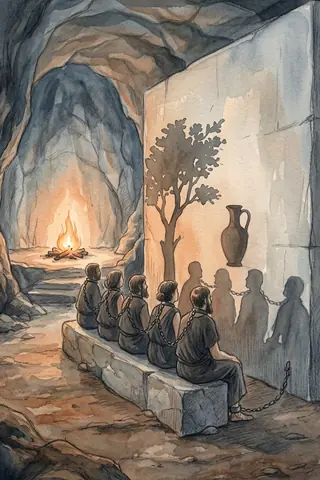 B1
Atinalı Platon
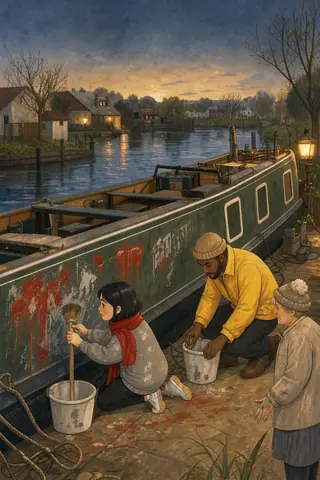 36B2
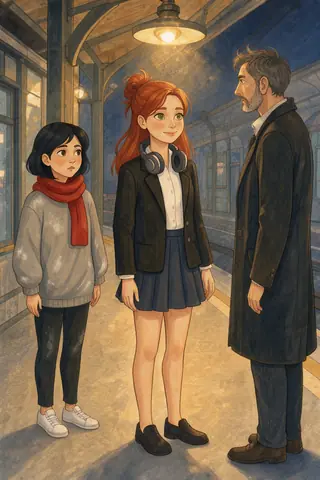
Kırmızı Boya
 21B1
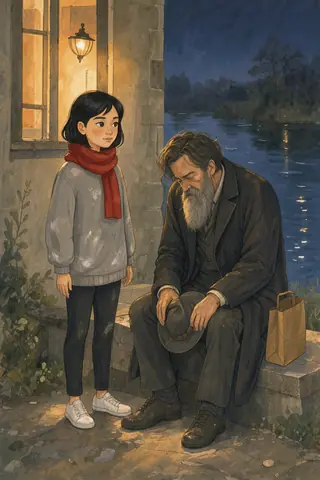
Mick Diye Bir Arkadaş
 23B1
Basamakta
 B1
Demirhindi Ağacının Altındaki Lastik
 6B1
Eczanenin Üstündeki Daire
 38B2
Priya’nin Payı
 32B2
Üç Numara
 3B1
İki El
 34B2
Gerçekte Ne Oldu
 B1
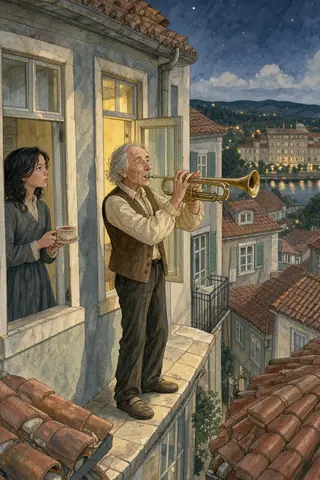
Saat On Buçukta Dört Nota
 5B1
Elli Paket Kâğıt
 B2
İyi Küçük Çocuğun Hikâyesi
 B1
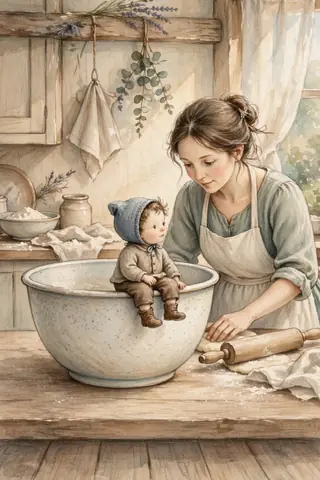
Parmak Tom’un Hikâyesi
 B2
Sredni Vashtar
 7B1
Mutfak Masası
 B1
Harika Zanaatkâr
 B1
Balıkçı ve Karısı
 1B1
Tek Bir Bavul
 B1
Posta Müdürü
 B2
Bayan Brill
 8B2
Büyük Kar
 B2
Hikâye Anlatıcısı
 10B2
Anahtarlar
 4B2
Ateşin Yanındaki Adam
 B1
Oda 13
 B1
Yarının Mesajı
 B2
Tavan Arası
 B1
Bülbül ile Gül
 7B2
Kuzey Taraf
 B2
Davetsiz Misafirler
 1B2
Teklif
 5B2
W. İçin
 B2
Désirée’nin Bebeği
 B2
Kraliyet Bilgelerinin Hediyesi
 2B2
Kurallar
 3B2
Çalışma Işıkları
 B1
Jonas İçin Değil
 6B2
Şart
 B1
Henüz Değil
 B1
Jack ve Fasulye Sırığı
 B1
Şanslı Hans
 B1
Gezeitengeduld
 B2
Külkedisi veya Küçük Cam Ayakkabı
 B1
Pamuk Prenses
 B1
Prometheus’un Hikâyesi
 B2
Polis ve İlahi
 B1
Ashputtel
 B2
Son Yaprak
 B1
Fil Çocuk
 9B2
İkinci Adım
 B2
Genç Hanım mı, Yoksa Kaplan mı?
 B2
Sağa sinyal vermek
 B1
Cadmus ve Europa
 B2
Bahis
 B1
Hansel ve Gretel
 B2
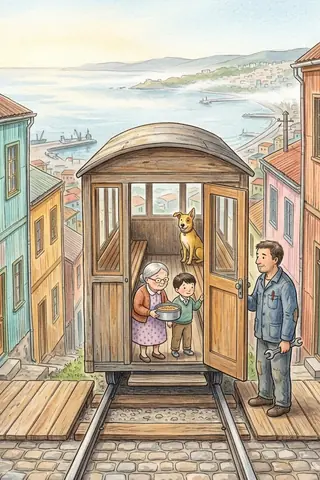
San Rafael’in Freni
 B2
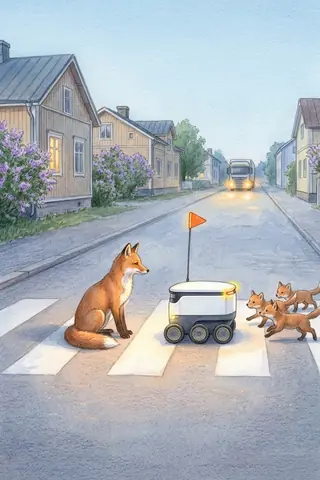
Kalamaja’nın Trafik Işığı
 B2
Salı Günleri Saat Onda
 B2
Gerdanlık
 B1
Kabullü Seyyar Satıcı
 B2
Yeniden Doğuş
 B1
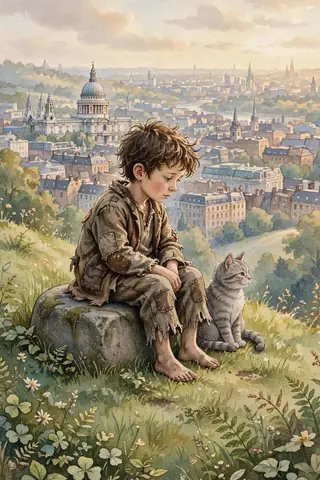
Whittington ve Kedisi
 B1
Mutlu Prens
 B2
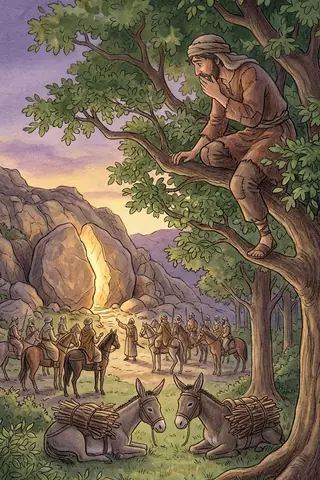
Ali Baba ve Kırk Haramiler
 B1
Çirkin Ördek Yavrusu
 B1
Kadife Tavşan
 B1
Kendi Başına Yürüyen Kedi
 B1
Sihirli Dükkân
 B2
Maymun Pençesi
 B1
Vefakar Dost
 B1
Parmak Kız
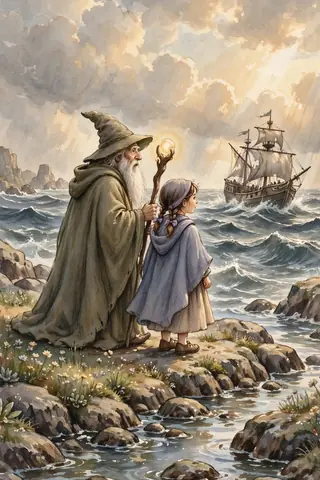 B2
Fırtına (Shakespeare’den Masallar)
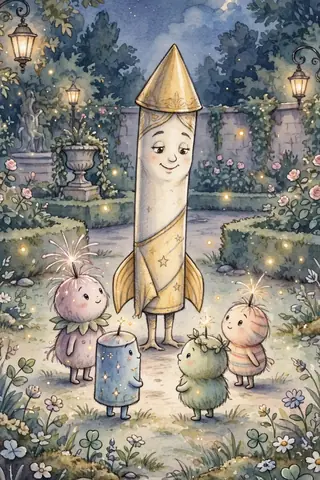 B2
Olağanüstü Fişek
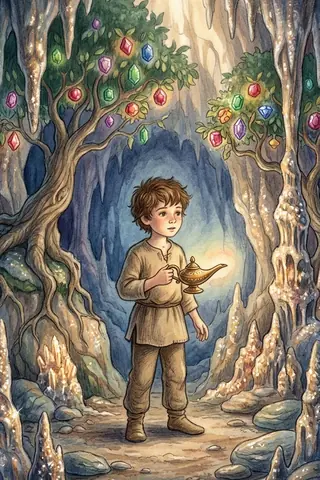 B2
Alaaddin ve Sihirli Lamba
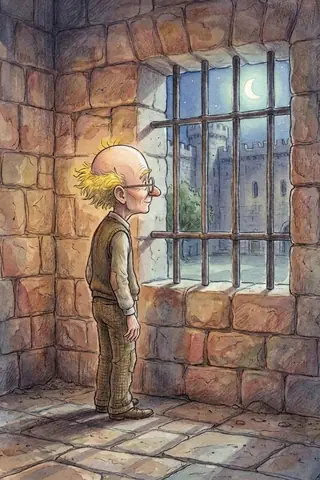 B2
Hücre 13 Sorunu
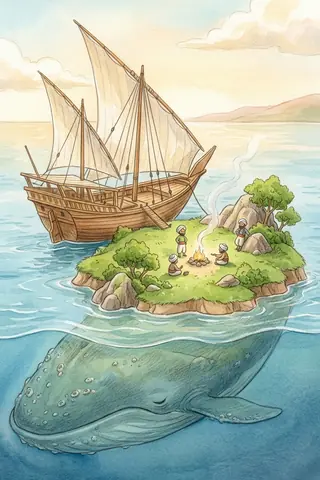 B2
Denizci Sinbad
What intermediate Turkish stories are like
Intermediate stories are where reading gets rewarding. They are written for adults, with twists and irony (The Gift of the Magi, The Necklace, The Open Window), but short enough to finish in twenty minutes to half an hour.
The vocabulary is wider and the sentences longer than in a fable, and dialogue brings in everyday phrases that textbooks leave out. With the English next to each paragraph, none of that has to stop you.
How to read Turkish at B1–B2
Read in Turkish, check in English
At B1–B2 you can usually follow the Turkish on its own. Keep your eyes on it and look across only when a sentence doesn’t land, rather than reading both sides line by line.
Let the plot pull you
These stories were written to be enjoyed. If you want to know how it ends, you will read faster and remember more, so pick the one whose first page grabs you.
Notice the tenses
Stories are told in the past, and the Turkish past tenses carry meaning the English sometimes flattens. Comparing the two sides is the quickest way to feel the difference.
More on the method in how to read a parallel text.