Dutch · English · C1–C2
Advanced Dutch stories, with the English alongside (C1–C2)
Poe, Bierce, Hawthorne, Melville and Twain in Dutch: dense, stylish prose, with the English original there for the sentences worth a second look.
32 advanced stories in Dutch, 25 of them free
Each one opens in your browser with no account, the Dutch and the English side by side, paragraph by paragraph, shortest first. Every free story is also a free Dutch–English ebook for Kindle, Kobo or any e-reader: downloading needs a free account, no payment (which file to pick).
Besides the classics, this level has stories from De nachtbakkerij, original Dutch stories written for the library.
Open the advanced Dutch–English stories in the library, where you can search them and switch to another level or pair.
To listen as you read, see the Dutch stories with audio.
 C1
Het ovale portret
 47C1
De maquette
 43C1
Geen woorden
 42C1
Vier pagina’s
 41C1
De gang
 45C1
Achter de toonbank
 44C1
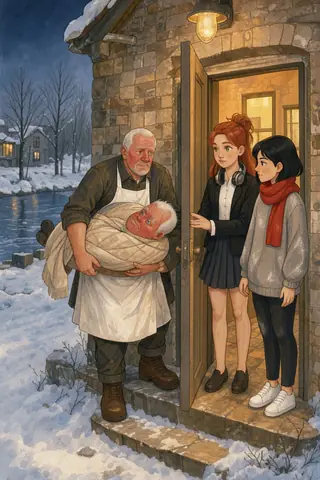
Twee bakkers
 49C1
Over the Step
 46C1
Twaalf rondes per nacht
 C1
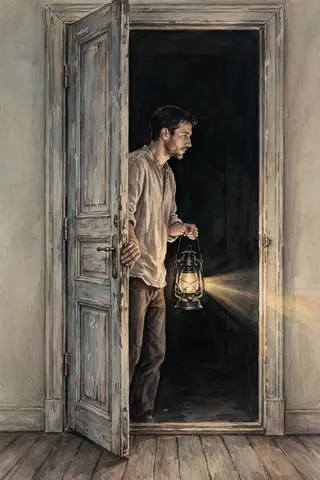
Het verraderlijke hart
 C1
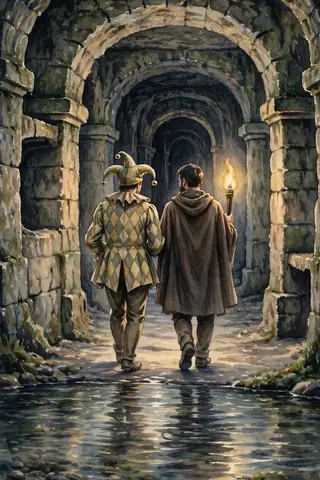
Het vat Amontillado
 C1
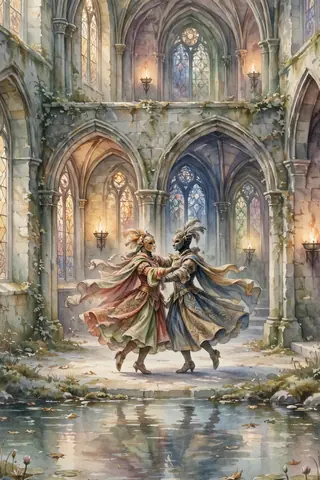
Het masker van de Rode Dood
 50C1
Thuis
 48C1
Het stadhuis
 C1
Tobermory
 C1
De Stenen Bruid
 C1
De haai met de benen
 C1
Een woord naar Amerika
 C1
De Mond van het Huis
 C1
Een naam die buigt
 C1
De stem van Unterdorf
 C1
De schone slaapster in het bos
 C1
De wijn is zuur
 C1
De slaper van San Gregorio
 C1
Het experiment van Dr. Heidegger
 C1
Een voorval bij de Owl Creek-brug
 C1
De zwarte kat
 C1
Rust in de zaal
 C1
De seinwachter
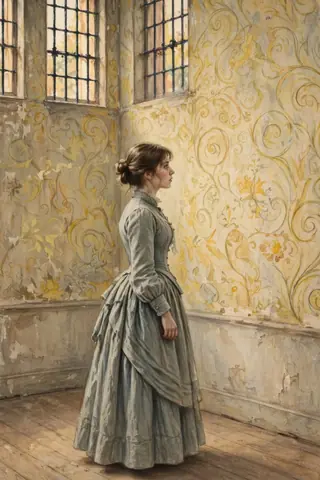 C1
Het gele behang
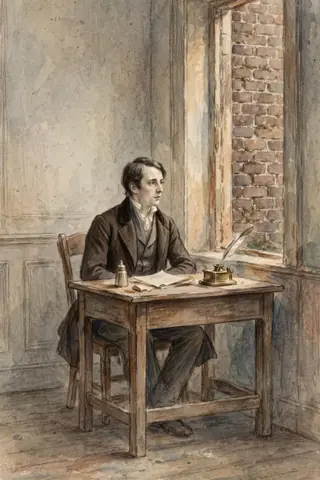 C2
Bartleby de kantoorklerk
 C1
De Scharlaken Pest
What advanced Dutch stories are like
Advanced stories are dense on purpose: Poe’s narrators circle their own guilt, Bierce bends time, Melville’s Bartleby prefers not to. The Dutch carries that style with long sentences, rare words and a literary register.
At this level you rarely need the English for the plot. It is there for the phrases that are hard to pin down, and for comparing how the same effect is achieved in two languages.
How to read Dutch at C1–C2
Read the Dutch as literature
Read at your normal pace and let unfamiliar words go when the meaning is clear. Stop only where the style or a turn of phrase interests you.
Use the English for nuance
When a word could mean two things, the English shows which one the story needs. That is where advanced readers still learn the most.
Read aloud
Literary Dutch has rhythm. Reading a paragraph aloud, then checking its English, trains your ear as well as your eye.
More on the method in how to read a parallel text.